
Flagship project
CRUD-Based Web Application
A working application with full front-end and back-end integration across Angular, Express and MongoDB.
- JavaScript (ES6+)
- TypeScript
- Angular

4.7/5
Student rating
9
Structured modules
3+
Portfolio projects
Yes
Placement support
Looking to build a career in full-stack web development? The MEAN Stack Training in Amritsar at Techcadd is designed for students, graduates, and job seekers who want hands-on, industry-relevant skills in MongoDB, Express.js, Angular, and Node.js — the four technologies that power modern, scalable web applications.
This course takes you from the fundamentals of front-end and back-end development to building complete, real-world web applications using a single JavaScript-based technology stack. You'll learn database management with MongoDB, server-side scripting with Express and Node.js, and dynamic front-end interfaces with Angular — all under the guidance of experienced trainers based right here in Amritsar.
Whether you're a 12th-pass student exploring tech careers, a graduate looking to upskill, or a working professional switching to development, Techcadd's MEAN Stack Training gives you practical project experience, portfolio-ready work, and placement support — making it one of the most career-focused full-stack training programs available in Amritsar.
Techcadd's MEAN Stack Training in Amritsar is built for a wide range of learners — whether you're just starting your career journey or looking to switch into the fast-growing field of web development. Here's a closer look at who this course is ideal for:
Job titles vary by company, but the underlying expectations do not. Each destination below maps to work you will have already done during the programme.
Most mean stack development training in this region stops at the tutorial: you follow along, the notebook runs, nothing is retained. This programme is built the other way round — every module hands you an unfinished problem and a deadline, and a mentor reviews what you did with it.
That is slower and harder than watching lectures. It is also the only version that survives an interview, because the questions there are about the decisions you made, not the code you copied.
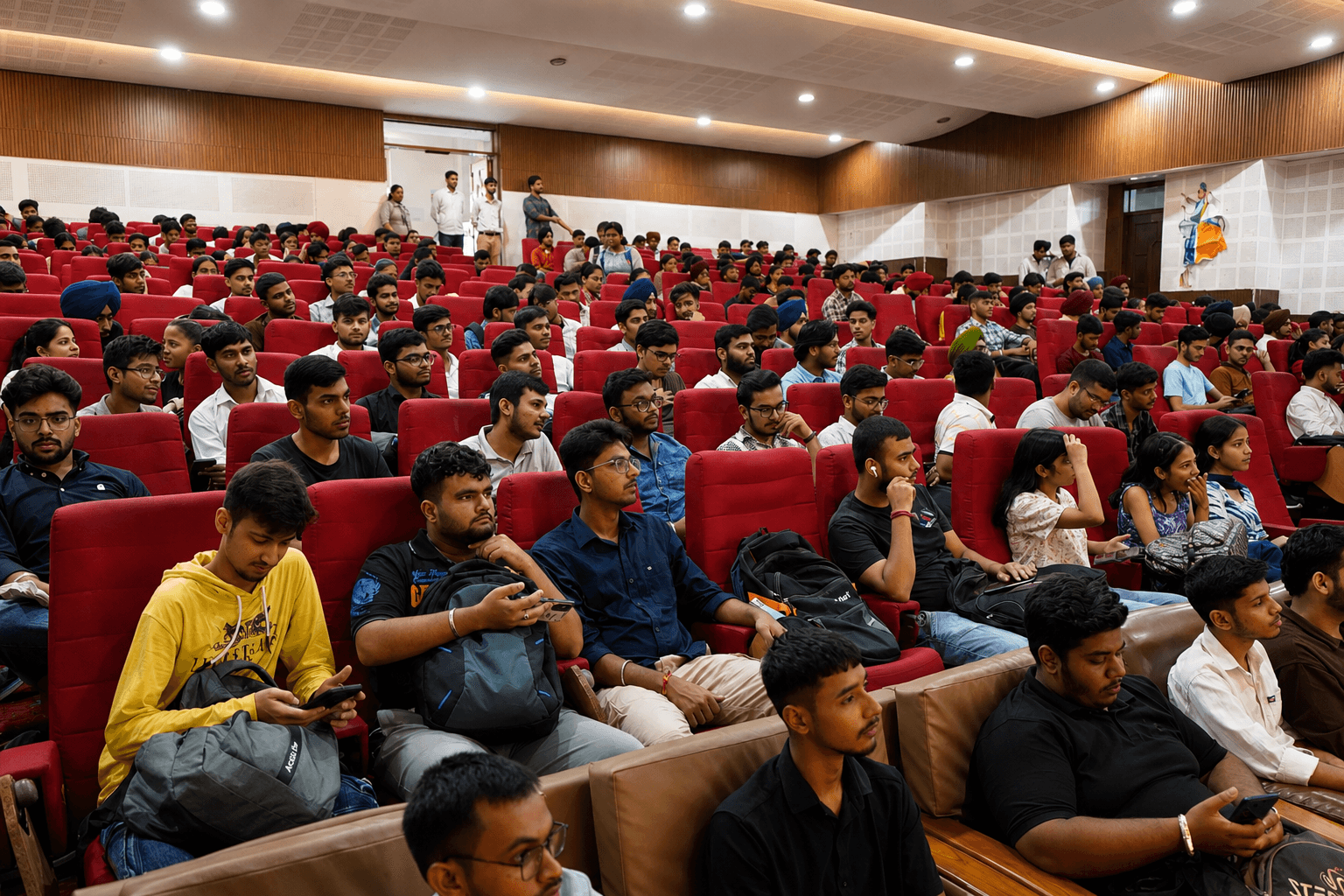
Project review week at the Amritsar campus
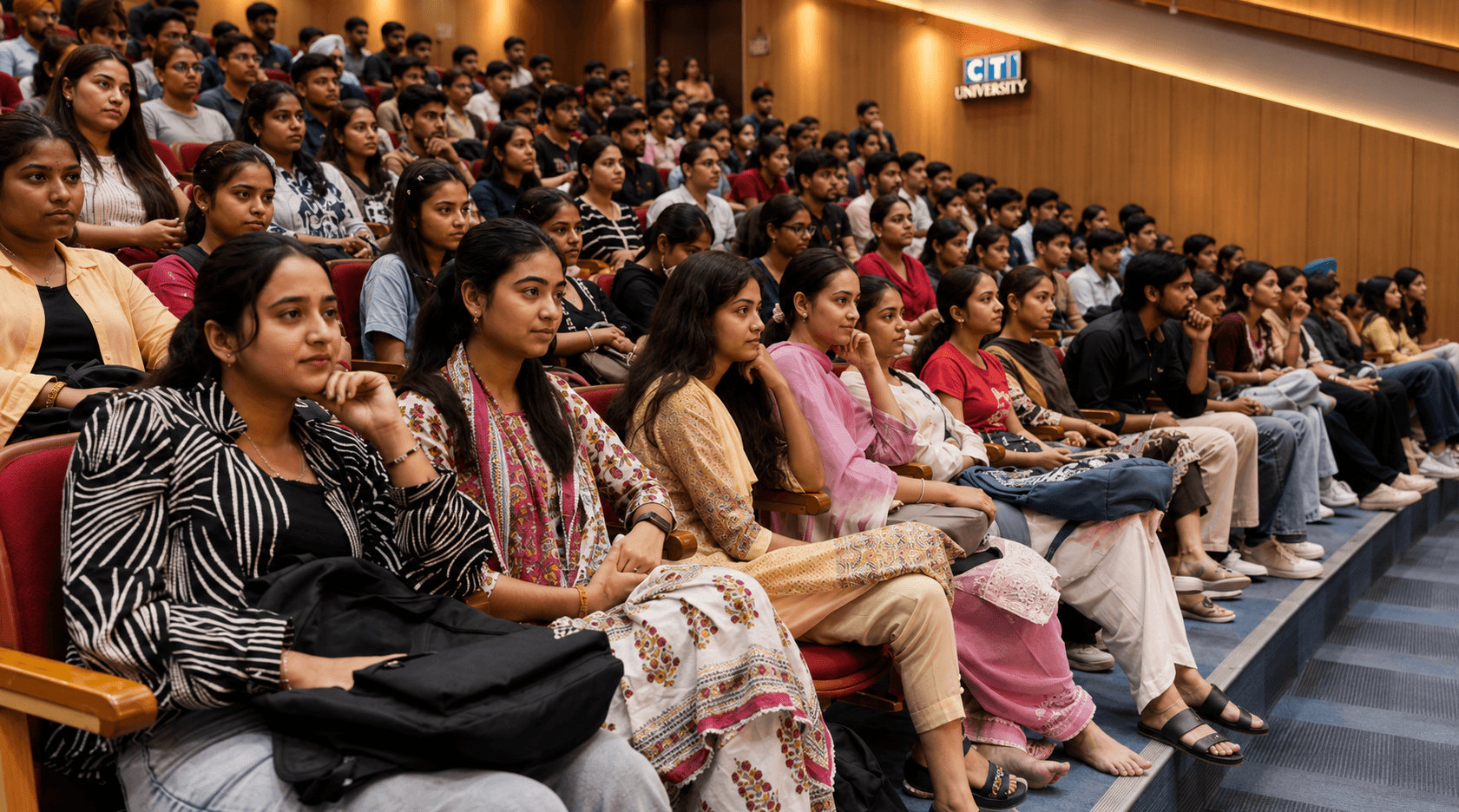
Mentors mark up work line by line
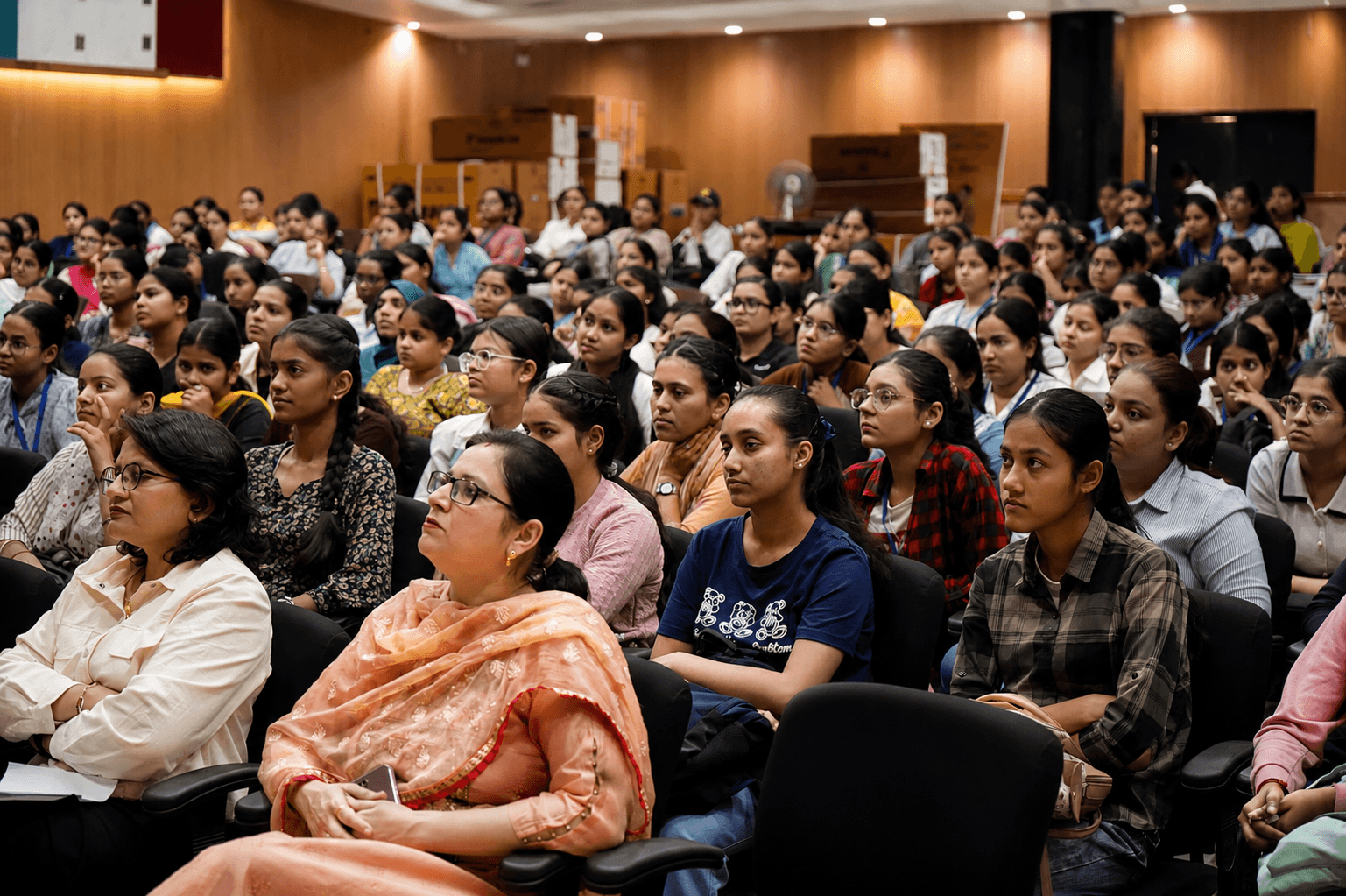
Hiring drive & mock interview day
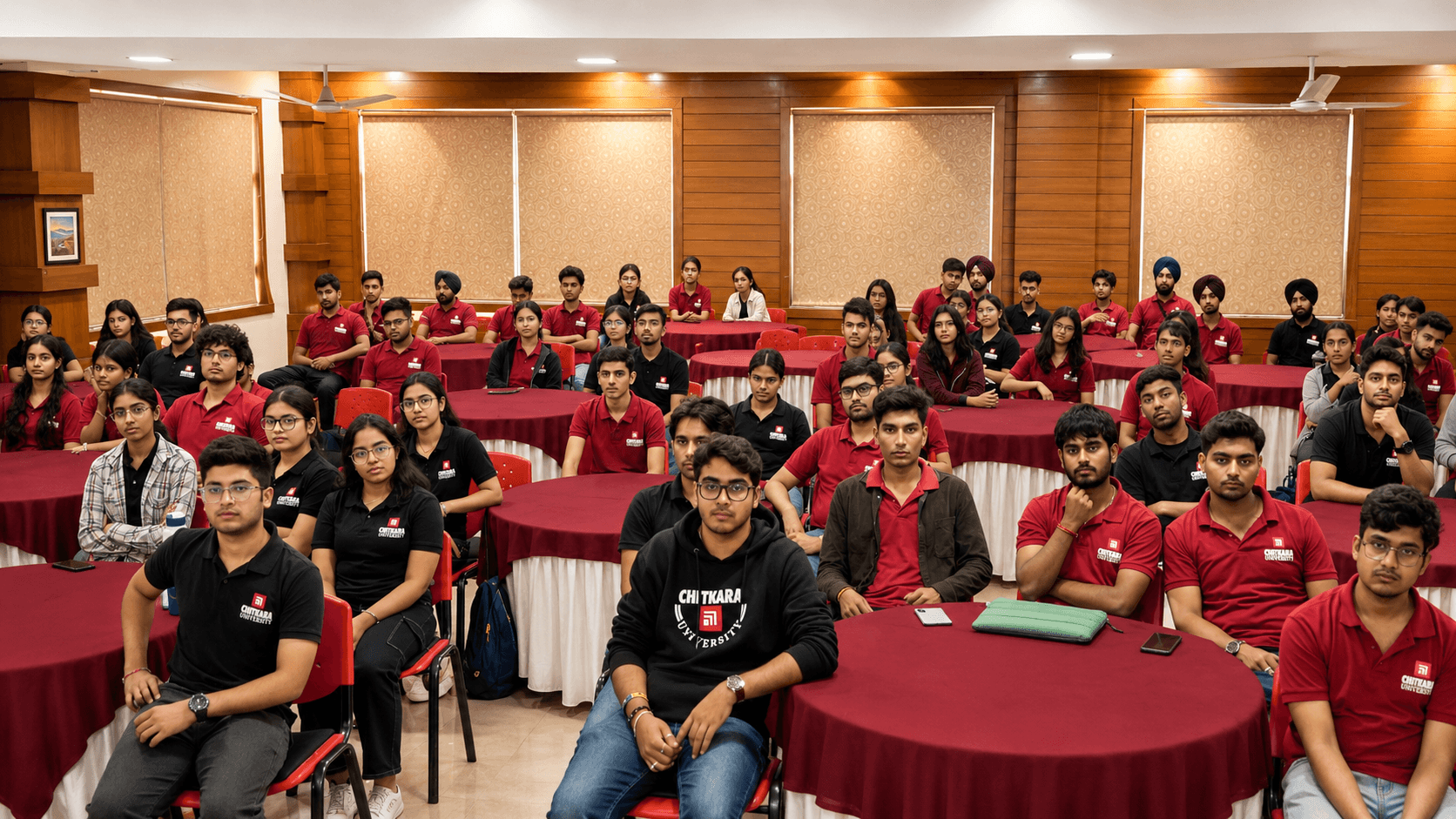
Practitioners run the panel, not HR
Every tool below is installed, configured and used by you during the course — not demonstrated on a slide. You leave able to set up your own environment from scratch.
17tools covered
Issued on completion against the modules you finished and the projects you submitted — plus an internship letter where the industrial training track applies. Shareable to LinkedIn, and verifiable by an employer who calls the Amritsar desk.
Before diving into the MEAN stack itself, you'll build a solid foundation in HTML5, CSS3, and core JavaScript — including DOM manipulation, ES6+ syntax, asynchronous programming (promises, async/await), and JavaScript object-oriented concepts. This ensures you're fully prepared for the more advanced frameworks ahead.
The JavaScript and layout foundation the frameworks ahead assume you have.
A certificate answers what you can do today. This is the honest answer to what mean stack development looks like three to five years out, and why the fundamentals this course spends real time on are what carry you there.
The 6 months programme is built around the part that is genuinely in your hands — and you leave holding all of it.
A reviewed portfolio, an industry-recognised certificate and a fundamentals-first foundation you can keep building on. Markets move, as they always have; that foundation is exactly what lets you move with them as development work around you keeps shifting.
A working application with full front-end and back-end integration across Angular, Express and MongoDB.
End-to-end sign-up, login and JWT-based authorization handled across the whole stack.
A dynamic, database-backed application deployed and demoed as a portfolio piece.
Every project moves through the same loop: understand the brief, build it with guidance, then explain the decisions behind your work. The certificate is the receipt — the portfolio is the point.
Break a real requirement into a plan, the constraints it has to live inside, and the right tool for each part of it.
CRUD-Based Web Application
Work hands-on with trainer feedback arriving while the decisions are still cheap to change.
User Authentication & Login System
Turn the finished work into a portfolio story you can defend line by line in an interview.
Database-Driven Web App
Choosing the right web development training program can shape the trajectory of your entire career. Here's why Techcadd's MEAN Stack Training in Amritsar stands out as a smart, future-ready choice:
Many courses teach isolated skills — a bit of front-end here, a bit of back-end there. This program is built differently. You learn MongoDB, Express.js, Angular, and Node.js as one connected, end-to-end system, so you understand exactly how a modern web application is built, deployed, and maintained from database to browser. This “full-stack fluency” is precisely what employers are actively hiring for.
Because the entire MEAN stack runs on JavaScript, you avoid the steep learning curve of juggling multiple programming languages. Once you're comfortable with JavaScript fundamentals, applying that knowledge across the database layer, server layer, and front-end layer becomes far more intuitive — helping you learn faster and retain more.
This program isn't built around passive lectures. You'll work on real, practical projects — building functional web applications, connecting front-end interfaces to live databases, and deploying working products. By the end of the course, you'll have a portfolio of real projects to show employers or clients, not just a certificate.
The curriculum is structured to reflect what's actually used in the industry today — component-based Angular development, RESTful API design with Express and Node.js, and NoSQL database management with MongoDB. This isn't outdated theory; it's the same stack used by startups, product companies, and IT service providers to build scalable applications.
Full-stack developers are valuable precisely because they're versatile. With MEAN stack skills, you're not limited to one type of role — you can pursue front-end development, back-end development, full-stack roles, or even freelance and remote opportunities, giving you far more career flexibility than a single-specialization course.
Learning in Amritsar means smaller batches, more direct access to trainers, and a learning environment tailored to the local student community — while still preparing you for opportunities across India and remote/international roles. You get the benefit of in-person mentorship without sacrificing career reach.
Techcadd doesn't just teach you to code — the program is structured around career outcomes, including interview preparation, resume building, and placement assistance, so you're supported not just during training but as you transition into the job market.
MongoDB, Express, Angular, and Node.js aren't passing trends — they're mature, widely-adopted technologies used by countless companies worldwide to build scalable, production-grade applications. Investing time in mastering this stack means investing in a skill set with long-term relevance.
Whether you're starting from zero or already have some coding exposure, the program is structured to meet you where you are — while still pushing you toward genuinely job-ready, professional-level competency by the end. In short, this program is built for students who want more than just a certificate — they want real, demonstrable skills, a strong portfolio, and a clear path into a full-stack development career.
When it comes to choosing where to learn MEAN Stack development in Amritsar, the training institute matters just as much as the curriculum. Here's why Techcadd is a trusted choice for students and job seekers across the region:
Techcadd's instructors bring real, practical development experience into the classroom — not just theoretical knowledge. This means you're learning current, industry-relevant practices for building and deploying MongoDB, Express.js, Angular, and Node.js applications, taught by people who understand how these skills are actually used on the job.
Techcadd's training philosophy centers on “learn by building.” Instead of long stretches of passive lectures, you'll spend significant time writing code, building components, connecting databases, and troubleshooting real application issues — the same kind of problem-solving you'll face in an actual developer role.
Unlike oversized classrooms where individual doubts go unanswered, Techcadd keeps batch sizes manageable so trainers can give focused, one-on-one attention. If you're stuck on a bug or don't understand a concept, you get real support — not just a scheduled lecture and a “figure it out yourself” approach.
The MEAN Stack Training program is broken into a logical progression — starting with programming fundamentals and front-end basics, moving into Angular for dynamic interfaces, then Node.js and Express.js for server-side logic, and finally MongoDB for database management. Each stage builds on the last, so you're never thrown into advanced concepts without the right foundation.
By the time you complete the course, you won't just have notes and a certificate — you'll have built functional, deployable web applications that you can showcase to employers or clients. This portfolio-first approach is a major differentiator when you're applying for developer roles.
Techcadd's support doesn't end when the course does. Students get guidance on resume building, interview preparation, and placement assistance, helping bridge the gap between “completing a course” and “landing a job.”
As an Amritsar-based training center, Techcadd understands the local student community, the regional job market, and the specific challenges students face — from balancing part-time work with studies to preparing for both local and remote/national job opportunities. You're not learning from a generic, one-size-fits-all online program; you're learning from trainers who know your context.
Whether you're a 12th-pass student with time to dedicate fully to learning, a graduate balancing job applications, or a working professional upskilling on the side, Techcadd's program structure and support are designed to accommodate different starting points and schedules.
Techcadd's core philosophy is that finishing a course should mean being genuinely job-ready — not just having attended classes. Every part of the training, from projects to mock interviews, is oriented toward making sure students can confidently step into real developer roles.
Techcadd has built a reputation in Amritsar as a training institute that prioritizes practical skill-building and student outcomes over rote, certificate-only learning — making it a dependable choice for students serious about a career in tech.
Collected from students who completed the mean stack development programme at the Amritsar campus, across morning, evening and weekend batches. Hover a card to stop the row and read it.
4.7
out of 5
11 verified reviews from Amritsar students
I joined Techcadd's MEAN Stack course right after my B.Sc IT with almost zero real coding confidence. The trainers broke everything down step by step — by the time we reached the Angular and Node.js modules, I was actually building working apps on my own. Amritsar doesn't have too many institutes with this kind of hands-on approach.
Best decision I made after 12th. Instead of jumping straight into a generic degree, I did the MEAN Stack Training at Techcadd first. Now I have real projects in my portfolio and a much clearer direction for my career in web development.
The course covers a lot — MongoDB, Express, Angular, Node — but the trainers pace it well so it doesn't feel overwhelming. Small batch size meant I could actually ask questions without feeling rushed. Only wish the MongoDB module was a bit longer.
I was working in a completely different field and wanted to switch to tech. Techcadd's trainers were patient with someone starting from scratch. The full-stack project at the end really helped me understand how everything connects — front-end, back-end, database, all of it.
What stood out for me was how practical everything was. We weren't just copying code from slides — we were debugging real errors, just like you'd do on an actual job. That's exactly the kind of experience I needed before applying for developer roles.
Solid course for anyone in Amritsar wanting to get into full-stack development. The Angular sessions especially were detailed. Placement support helped me prepare for interviews, which I genuinely wasn't expecting.
As a graduate who didn't study computer science, I was nervous about keeping up. But Techcadd starts from the fundamentals, so I never felt lost. By the end, I'd built a full project connecting Angular to a Node/Express backend with MongoDB — something I couldn't have imagined doing before.
Trainers here actually know the industry side of things, not just theory. They'd explain how things are done in real companies, not just how to pass an exam. That practical mindset made a real difference.
Good structured course, especially for beginners. The pace picks up once you're into Node.js and Express, so be ready to practice outside class hours too. Overall, a strong foundation for a full-stack career.
I looked at a few institutes in Amritsar before choosing Techcadd, and I'm glad I did. The one-on-one attention in small batches made a huge difference when I got stuck on bugs. Ended the course with a working project I'm genuinely proud of.
Highly recommend this course if you're serious about web development. The curriculum is well thought out, and the trainers make sure you understand concepts, not just memorize syntax. Amritsar students finally have a solid local option for this.
If something here is not covered, the Amritsar desk will answer it directly — no call-back queue.
MEAN Stack Training teaches you to build full-stack web applications using MongoDB (database), Express.js (back-end framework), Angular (front-end framework), and Node.js (server runtime) — a complete, JavaScript-based technology stack used to develop scalable web applications.
Book a free demo class and see the lab before you decide.