
Flagship project
Sales Analysis
A dataset cleaned, explored and visualised into a read of sales performance, with the findings written up.
- Pandas
- SQL
- Matplotlib

4.7/5
Student rating
12
Structured modules
4+
Portfolio projects
Yes
Placement support
Techcadd's Data Science Training in Amritsar is designed for students, graduates, job seekers, and working professionals who want to build practical, job-ready skills in one of the fastest-growing technology domains. This training program focuses on real-world learning and introduces learners to core concepts such as Python programming, statistics, data analysis, machine learning, data visualization, and AI fundamentals, with a strong emphasis on hands-on practice.
For students in Amritsar, choosing a locally accessible data science training program helps in gaining structured learning without relocation challenges. The training is designed in a step-by-step format so beginners can easily understand how data is collected, processed, analyzed, and used to make business decisions.
Techcadd ensures a practical learning environment with live projects, assignments, case studies, and industry-based exercises, helping students build confidence along with technical expertise. The focus is not just on theory but on developing real skills that are required in today's data-driven job market.
Whether you are a 12th-pass student, graduate, fresher, or working professional, this data science training in Amritsar provides a strong foundation to start a career in data analytics, machine learning, and AI-related roles. It is structured to help learners become industry-ready with the right mix of knowledge, tools, and practical exposure.
A Data Science Course in Amritsar can be a strong learning option for students and professionals who want to build a career around data, technology, analytics, and artificial intelligence. You do not necessarily need an advanced technical background to begin. With the right training structure, beginners can gradually learn programming, data handling, statistics, visualization, and machine learning concepts.
Job titles vary by company, but the underlying expectations do not. Each destination below maps to work you will have already done during the programme.
Most data science training in this region stops at the tutorial: you follow along, the notebook runs, nothing is retained. This programme is built the other way round — every module hands you an unfinished problem and a deadline, and a mentor reviews what you did with it.
That is slower and harder than watching lectures. It is also the only version that survives an interview, because the questions there are about the decisions you made, not the code you copied.
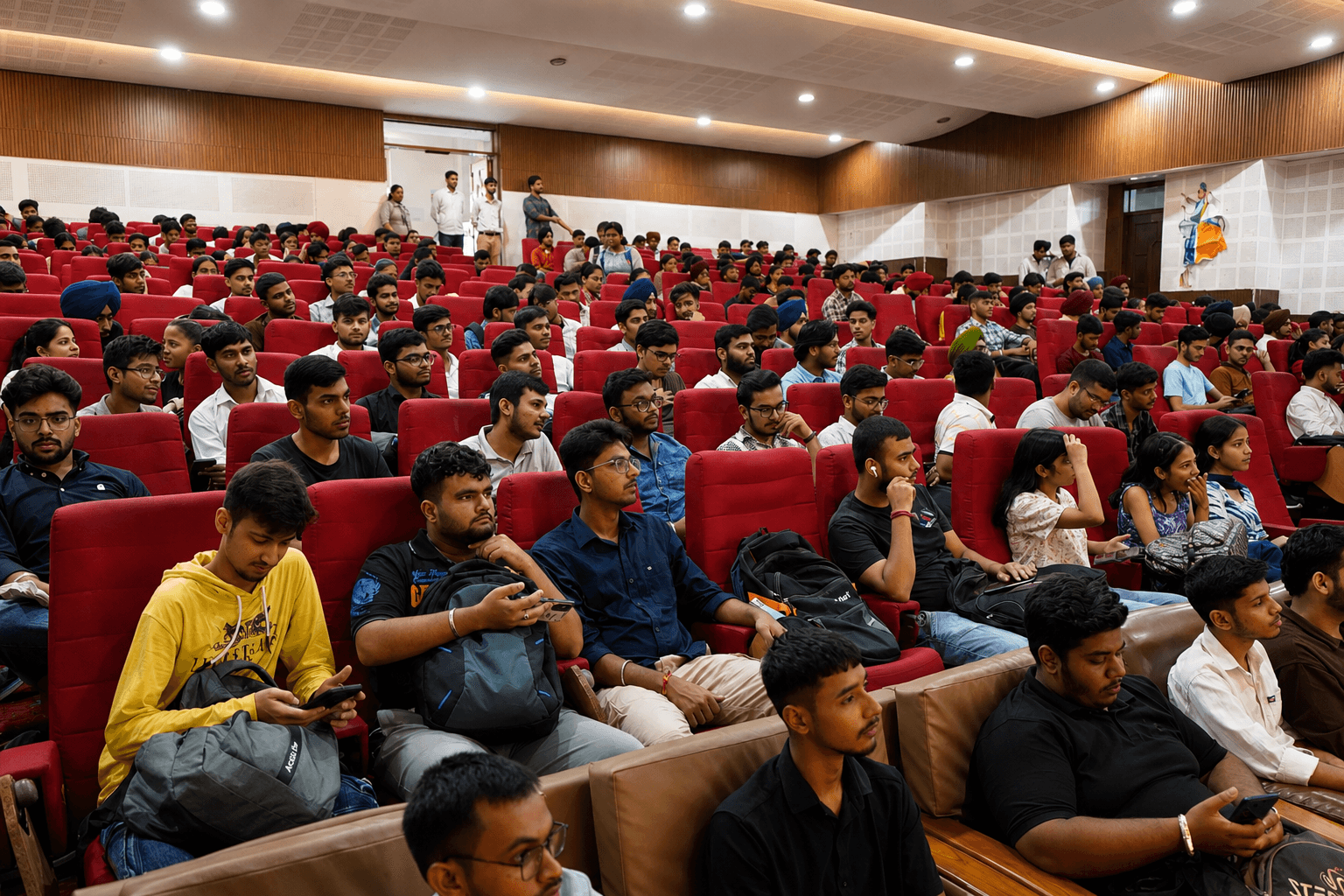
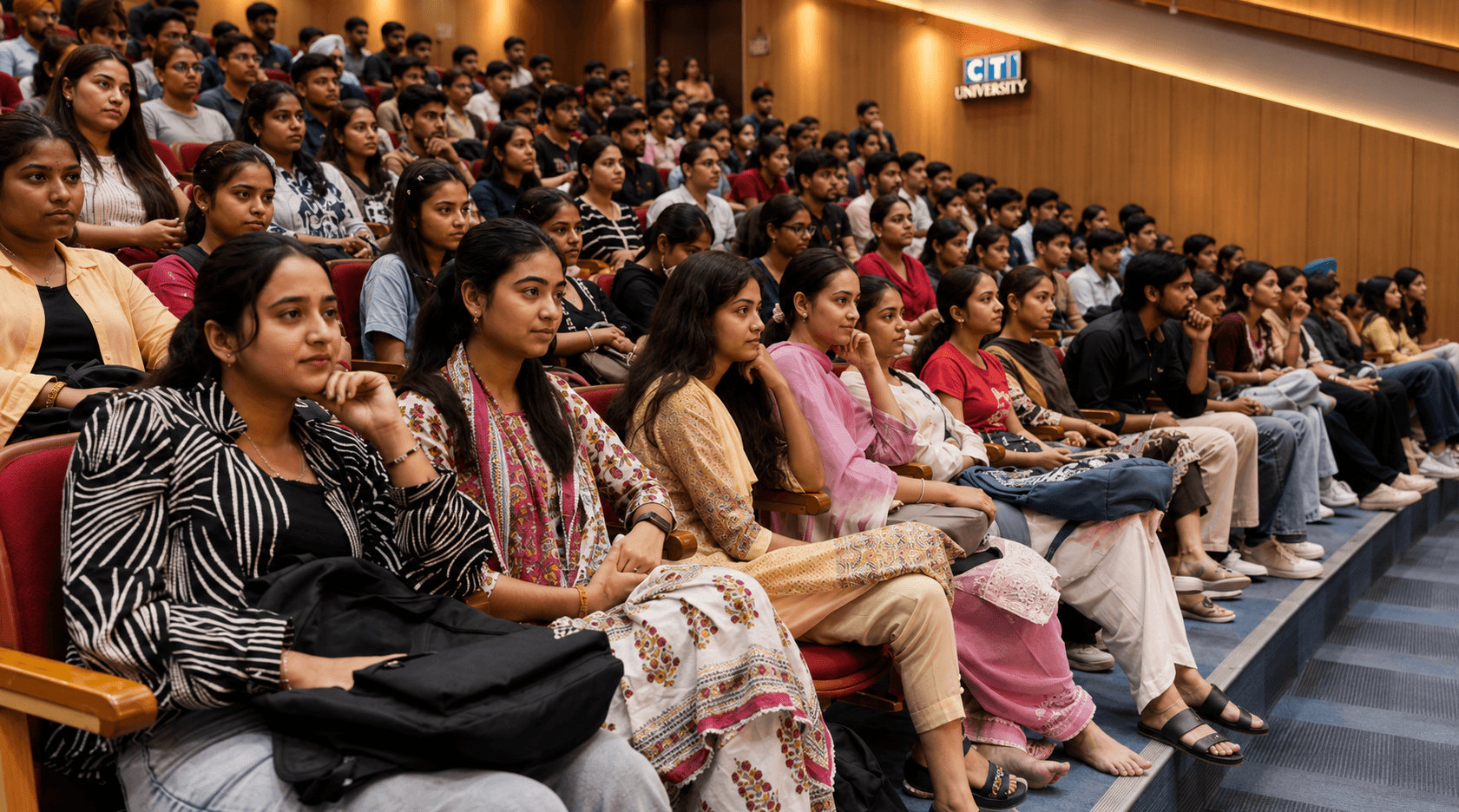
Project review week at the Amritsar campus
Mentors mark up work line by line
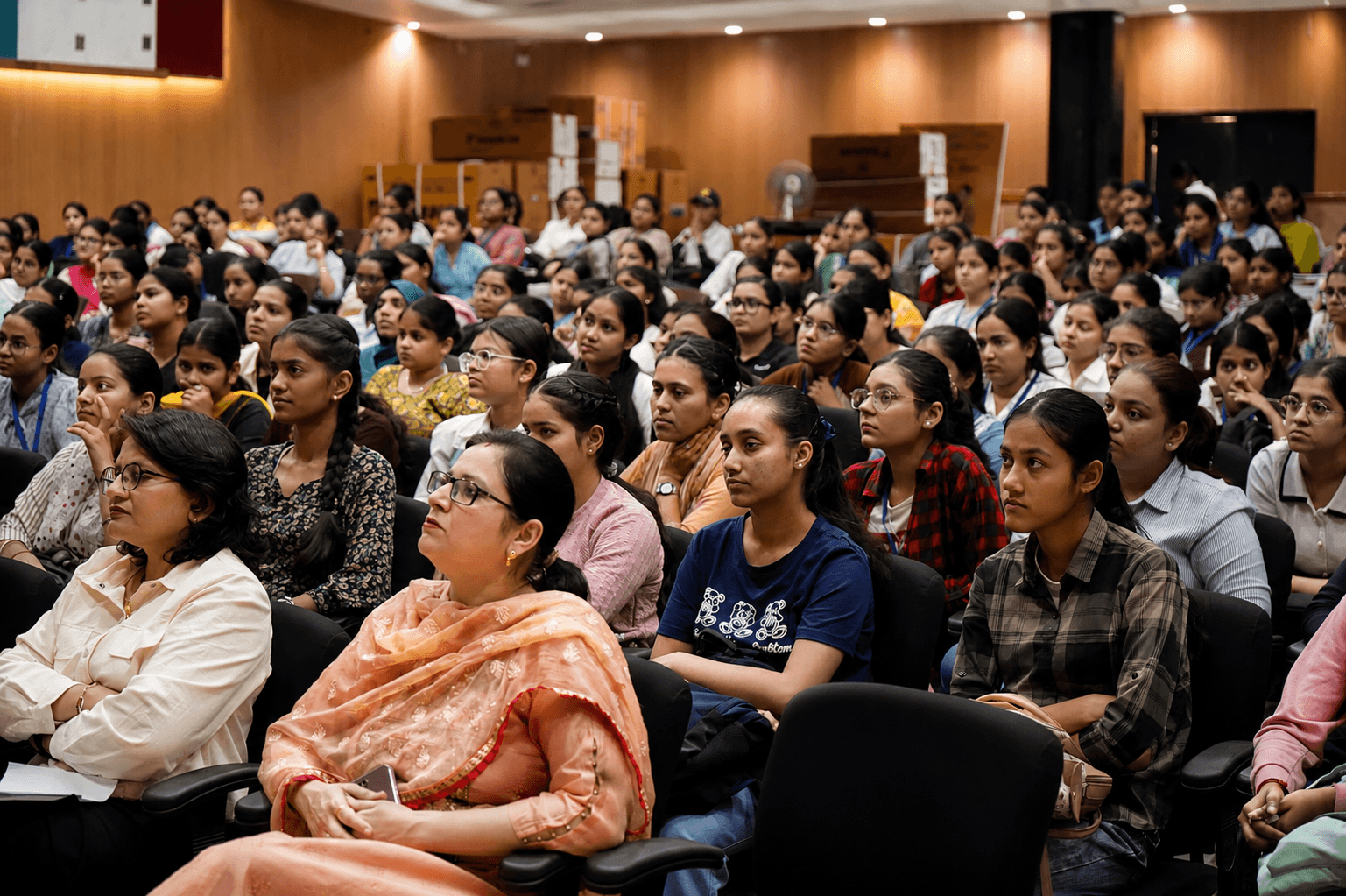
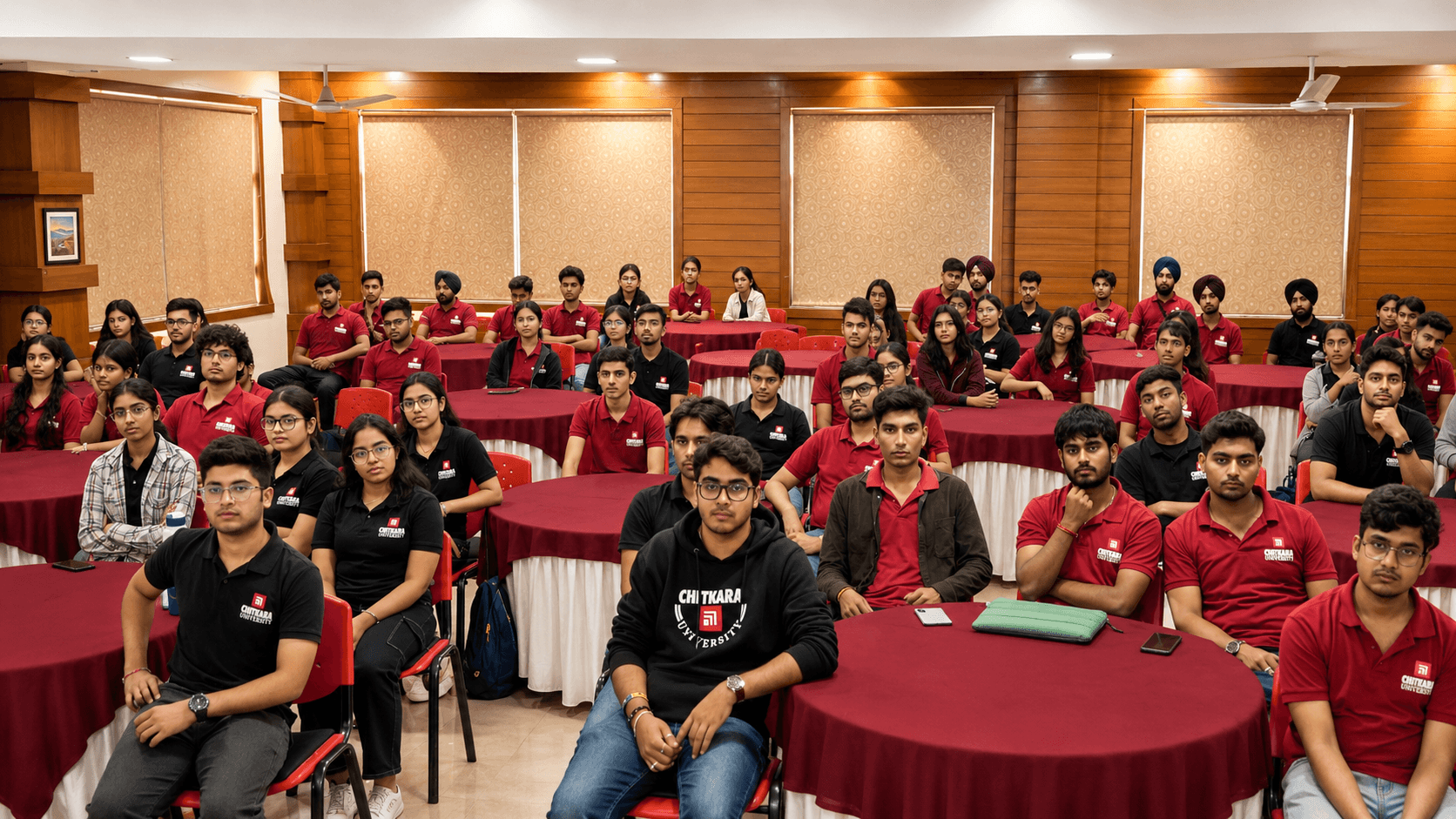
Hiring drive & mock interview day
Practitioners run the panel, not HR
Every tool below is installed, configured and used by you during the course — not demonstrated on a slide. You leave able to set up your own environment from scratch.
9tools covered
Issued on completion against the modules you finished and the projects you submitted — plus an internship letter where the industrial training track applies. Shareable to LinkedIn, and verifiable by an employer who calls the Amritsar desk.
Python is one of the most widely used programming languages in data science. Students begin by understanding Python fundamentals such as variables, data types, operators, conditional statements, loops, functions, lists, dictionaries, tuples, and sets. As learners progress, they can work with files, functions, modules, error handling, and programming logic. These fundamentals create the base required for working with data science libraries and building analytical solutions.
Working Python you wrote yourself — the base every library in this course is built on.
A certificate answers what you can do today. This is the honest answer to what data science looks like three to five years out, and why the fundamentals this course spends real time on are what carry you there.
The 6 – 9 months programme is built around the part that is genuinely in your hands — and you leave holding all of it.
A reviewed portfolio, an industry-recognised certificate and a fundamentals-first foundation you can keep building on. Markets move, as they always have; that foundation is exactly what lets you move with them as AI and data work around you keeps shifting.
A dataset cleaned, explored and visualised into a read of sales performance, with the findings written up.
Clustering applied to customer data, with the segments described in terms a business can act on.
A regression or classification model built end to end — features, training, evaluation and interpretation.
An end-to-end study combining SQL, Pandas, statistics and visualisation, presented as conclusions rather than charts.
Every project moves through the same loop: understand the brief, build it with guidance, then explain the decisions behind your work. The certificate is the receipt — the portfolio is the point.
Break a real requirement into a plan, the constraints it has to live inside, and the right tool for each part of it.
Sales Analysis
Work hands-on with trainer feedback arriving while the decisions are still cheap to change.
Customer Segmentation
Turn the finished work into a portfolio story you can defend line by line in an interview.
Prediction Problem
Choosing the right Data Science Course in Amritsar is an important decision for students who want to turn an interest in technology and data into practical career skills. With many courses available online and offline, students should look beyond the course name and evaluate what they will actually learn, how they will practice, and whether the training matches their career goals. Techcadd's data science program is designed with a practical, student-focused approach that helps learners progress from fundamentals toward more advanced concepts. The objective is not simply to introduce tools but to help students understand how and when those tools are used to solve real-world problems.
Data science is a practical field. Knowing the definitions of machine learning or data analysis is not enough; learners need opportunities to work with data, write code, identify patterns, build models, and interpret results. A career-focused training program should therefore include practical exercises and projects. Students can gradually move from basic programming and data manipulation to exploratory data analysis, visualization, machine learning, and project development. This approach helps learners understand the connection between individual concepts. Instead of studying Python, statistics, SQL, and machine learning as completely separate subjects, students can learn how these skills work together within a typical data workflow.
Many students are interested in data science but hesitate because they believe it is only suitable for experienced programmers or highly advanced mathematics students. A structured beginner-friendly program can make the learning process easier to approach. The fundamentals can be introduced first, followed by progressively more challenging topics. Students can learn programming basics before working with datasets, understand basic statistics before applying analytical techniques, and explore machine learning after developing a foundation in data preparation and analysis. This step-by-step structure is particularly useful for students who are entering the technology field for the first time.
A useful data science course in Amritsar should focus on technologies and concepts that learners can apply beyond the classroom. Depending on the curriculum, this may include Python, SQL, NumPy, Pandas, data visualization libraries, statistics, machine learning techniques, and other commonly used data tools. The value of learning these technologies comes from knowing how to apply them. Students should therefore practice tasks such as importing datasets, cleaning information, handling missing values, exploring trends, creating visualizations, and developing predictive models.
Projects can play an important role in developing confidence. They give students an opportunity to combine multiple skills and work through a problem from beginning to end. A project might involve analyzing customer data, predicting sales, studying business performance, classifying information, or identifying patterns in a dataset. During this process, students can practice data preparation, analysis, visualization, model building, and presenting conclusions. Projects can also help learners prepare a portfolio that demonstrates practical capabilities to potential employers.
Students usually choose professional training because they want skills that can support future career opportunities. A career-oriented data science program should therefore help learners understand not only technology but also how these skills relate to workplace expectations. Learners can be introduced to different career directions, including data analyst, junior data scientist, business intelligence analyst, machine learning-related roles, and other data-focused positions. Career goals can then influence which skills students prioritize.
For students searching for a data science institute in Amritsar, local classroom training can offer a structured learning environment and direct interaction with trainers and fellow learners. Students can ask questions during sessions, discuss problems, receive feedback, and maintain a regular learning routine. Local training can be particularly convenient for learners who prefer face-to-face education instead of studying entirely through self-paced online resources.
A good training environment should recognize that every student starts from a different level. Some learners may already know programming, while others may be completely new to coding. A flexible teaching approach can help students strengthen their fundamentals while gradually moving toward advanced concepts. Regular practice, assignments, doubt-solving, and project guidance can make the learning experience more manageable.
The goal of data science training should not be limited to completing a certificate. Technology changes continuously, so students need the ability to keep learning after the course ends. By understanding fundamental concepts and developing problem-solving skills, learners can become better prepared to explore new libraries, frameworks, analytical methods, and AI technologies in the future.
For students, graduates, job seekers, and professionals in Amritsar, Techcadd's Data Science Course can provide a structured pathway for developing practical knowledge across data analysis, Python, statistics, visualization, and machine learning. The combination of foundational learning, hands-on practice, and project-oriented training can help learners build a stronger base for pursuing data-focused career opportunities.
Choosing a training institute is an important step when starting a career in data science. Students should look for more than a certificate — they need practical learning, relevant tools, guidance, projects, and an environment that helps them develop confidence. Techcadd focuses on these aspects to create a career-oriented learning experience for students looking for a Data Science Course in Amritsar.
Data science is learned best through practice. Reading about Python, statistics, machine learning, or data visualization is only the beginning. Students need to work with datasets, write code, analyze information, identify patterns, and understand how analytical methods are applied to real problems. At Techcadd, the learning approach is designed around practical application. Students can progressively develop their skills, starting with fundamental concepts and moving toward data analysis, visualization, machine learning, and project work. This helps learners understand not only what a technology does but also why and when it should be used.
Students often hesitate to enter data science because they assume they need extensive programming experience before joining a course. A structured learning path can make the subject much easier to approach. Techcadd's training is designed to help learners build their foundation before moving into more complex concepts. Beginners can gradually become familiar with programming logic, Python syntax, data structures, data manipulation, statistics, and analytical workflows. This makes the course relevant for students and graduates who are beginning their technology journey as well as learners who already have some technical knowledge.
Hands-on practice is an essential part of developing technical confidence. Students should have opportunities to apply concepts immediately rather than simply listening to lectures. During their learning journey, students can practice working with datasets, cleaning data, performing exploratory analysis, creating visualizations, and applying machine learning techniques. Repeated practice helps learners become more comfortable solving problems independently. The objective is to turn theoretical concepts into usable skills that students can continue developing after completing their training.
The data science ecosystem includes numerous programming languages, libraries, platforms, and analytical tools. Students need exposure to technologies that help them understand modern data workflows. The course covers key areas such as Python, SQL, NumPy, Pandas, data visualization, statistics, and machine learning, along with practical applications of these concepts. Learning these technologies together can give students a clearer understanding of how data moves from raw information to actionable insights. Tool knowledge is valuable, but Techcadd also emphasizes understanding the underlying concepts so students can adapt as technologies evolve.
Projects provide an opportunity to bring different skills together. Instead of learning every topic in isolation, students can apply programming, data analysis, visualization, and machine learning techniques to practical problems. Project work can also help learners develop important professional habits, including organizing data, documenting their process, interpreting results, and communicating findings. For students preparing for job interviews, a portfolio of relevant projects can provide practical examples to discuss with recruiters and demonstrate their learning beyond a list of course topics.
Learning technical subjects independently can become difficult when students encounter errors or concepts they do not understand. Direct guidance can help learners identify mistakes and move forward more efficiently. A structured classroom environment allows students to ask questions, discuss coding problems, understand difficult concepts, and receive feedback during their learning process. This type of support can be particularly valuable for beginners who are developing programming confidence.
For students searching for a data science institute in Amritsar, studying locally can make regular learning more convenient. Students can attend scheduled classes, interact directly with trainers, and learn alongside other students with similar career interests. A classroom environment can also encourage consistency. Regular attendance, assignments, practical sessions, and project work can help students maintain momentum instead of leaving their learning entirely dependent on self-discipline.
Data science is a broad field, and students may initially be unsure which career direction to pursue. Training can help them understand the difference between areas such as data analytics, business intelligence, machine learning, and broader data science roles. Techcadd's career-oriented approach encourages students to think about their goals while developing technical skills. Learners can use their interests and strengths to determine which areas they want to explore further.
A certificate can document course completion, but long-term career development depends on skills and continuous learning. Data technologies evolve quickly, making it important for students to develop the habit of learning new tools and methods. Techcadd aims to help students build a foundation that they can continue expanding through independent practice, advanced learning, personal projects, and professional experience.
For students, graduates, freshers, and professionals in Amritsar, selecting the right training environment can make the learning process more structured and focused. Techcadd combines foundational concepts with practical exercises, industry-relevant tools, project-oriented learning, and career-focused guidance. If your goal is to build practical skills in Python, data analytics, visualization, statistics, SQL, and machine learning, Techcadd can provide a structured starting point for your data science learning journey in Amritsar.
Collected from students who completed the data science programme at the Amritsar campus, across morning, evening and weekend batches. Hover a card to stop the row and read it.
5.0
out of 5
10 verified reviews from Amritsar students
I was new to data science and initially found Python and machine learning difficult. The step-by-step approach helped me understand the fundamentals and become more confident with practical exercises.
What I liked about the course was the practical learning. Working with datasets and applying Python concepts made the topics easier to understand than learning only through theory.
I joined to learn Python for data science. The practical exercises helped me understand programming logic and how Python is used for handling and analyzing data.
As a student, I wanted additional skills apart from my regular studies. The data science training gave me exposure to Python, SQL, data analysis, and machine learning concepts.
The project work was one of the most useful parts of my learning experience. It helped me understand how different data science concepts can be combined to solve a practical problem.
Whenever I had difficulty understanding a coding concept, being able to ask questions and practice again helped me improve. The regular learning structure kept me motivated.
I was looking for practical skills that could support my career plans. Learning data analysis, SQL, Python, and machine learning gave me a better understanding of the data field.
I was particularly interested in data analytics and visualization. The course helped me understand how raw information can be cleaned, analyzed, visualized, and converted into useful insights.
As a fresher, I wanted to develop skills beyond my academic qualification. The practical assignments and projects helped me get more comfortable working with data and technical tools.
My experience with the Data Science Course was focused on learning and practice. I particularly appreciated working on practical tasks because they helped connect different topics and improve my understanding.
If something here is not covered, the Amritsar desk will answer it directly — no call-back queue.
A Data Science Course in Amritsar teaches students how to collect, clean, analyze, visualize, and interpret data using programming, statistics, databases, and machine learning techniques. A practical course may include Python, SQL, Pandas, NumPy, data visualization, and machine learning projects.
Book a free demo class and see the lab before you decide.