



What is SEO — On-Page, Off-Page, Technical Explained Simply
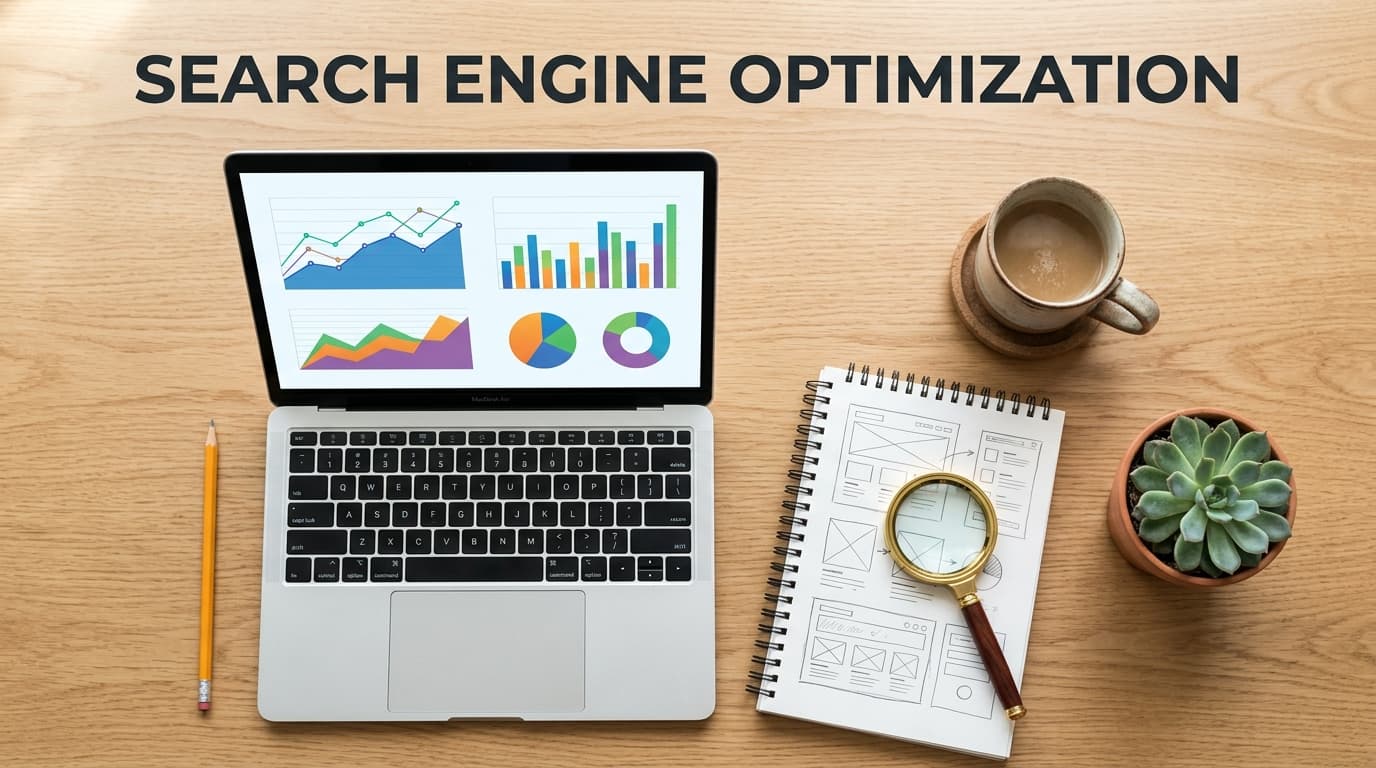
Learn what SEO is, how search engine optimization works, and the difference between on-page, off-page, and technical SEO with simple examples for beginners.
What is SEO?
SEO (Search Engine Optimization) is the process of improving a website and its content so that search engines can better understand, crawl, index, and potentially rank its pages for relevant search queries.
In simple terms, SEO helps businesses make their websites easier to discover when people search for information, products, or services online. SEO can involve website content, keywords, technical improvements, internal linking, backlinks, local optimization, and user experience.
For beginners, SEO can be divided into three major areas: on-page SEO, off-page SEO, and technical SEO.
How Does SEO Work?
Search engines discover web pages through crawling, process and store information through indexing, and then use ranking systems to determine which results are relevant to a user's search.
SEO helps website owners provide clear information about their pages and improve different aspects of their websites. However, SEO does not guarantee a specific ranking position because search results depend on many factors and can change over time.
Why is SEO Important?
When people search online for a product, service, question, or solution, search engines can become an important source of website traffic. SEO can help a website increase its visibility for relevant searches without relying entirely on paid advertising.
For businesses, SEO can support several objectives, including:
- Increasing organic search visibility
- Attracting relevant website visitors
- Generating enquiries and leads
- Supporting online sales
- Building long-term website visibility
- Improving the discoverability of useful content
The 3 Main Types of SEO
The three commonly discussed areas of SEO are on-page SEO, off-page SEO, and technical SEO. They address different aspects of website optimization and often work together.
What is On-Page SEO?
On-page SEO refers to optimization activities performed on the website and its individual pages. The goal is to help search engines and users understand the topic, purpose, and value of a page.
Important On-Page SEO Elements
- Title tag: Describes the main topic of a webpage and can appear as the clickable title in search results.
- Meta description: Provides a short description of a page and can influence how the result is presented to search users.
- Headings: Organize content into clear sections.
- Content: Should be useful, relevant, clear, and aligned with the searcher's intent.
- Keywords: Help communicate the subject of a page when used naturally and appropriately.
- Internal links: Connect related pages within the same website.
- Image optimization: Includes appropriate file sizes, descriptive alternative text where useful, and relevant context.
- URLs: Clear and descriptive URLs can make pages easier for users and search engines to understand.
For example, a page targeting people searching for an SEO course should clearly explain the course, its topics, intended learners, and other relevant information instead of repeatedly inserting the keyword without adding useful content.
What is Off-Page SEO?
Off-page SEO refers to activities performed outside your own website that can contribute to its reputation, visibility, and authority.
One important part of off-page SEO is earning relevant backlinks from other websites. A backlink is a link from another website to your website.
Examples of Off-Page SEO
- High-quality backlink acquisition
- Digital PR
- Relevant business citations
- Brand mentions
- Relationship building within an industry
- Local business visibility activities
- Content promotion
The focus should be on earning relevant and trustworthy references rather than creating large numbers of low-quality or manipulative links.
What is Technical SEO?
Technical SEO focuses on the technical aspects of a website that can affect crawling, indexing, rendering, performance, and accessibility to search engines and users.
Important Technical SEO Factors
- Website crawlability
- Indexability
- XML sitemaps
- Robots.txt configuration
- Canonical URLs
- Website speed and performance
- Mobile usability
- HTTPS and website security
- Structured data
- Redirect management
- Broken links
- Duplicate content management
Technical SEO does not mean that every website needs to implement every possible technical change. The appropriate work depends on the website, its architecture, content, platform, and specific search visibility issues.
On-Page SEO vs Off-Page SEO vs Technical SEO
| SEO Type | Main Focus | Examples |
|---|---|---|
| On-Page SEO | Content and page-level optimization | Titles, headings, content, keywords, internal links |
| Off-Page SEO | External signals and website reputation | Backlinks, digital PR, relevant citations, brand mentions |
| Technical SEO | Technical accessibility and website infrastructure | Crawling, indexing, speed, redirects, sitemap, structured data |
What is Keyword Research in SEO?
Keyword research is the process of identifying the words and phrases people use when searching for information, products, or services.
Good keyword research goes beyond search volume. SEO professionals can also consider search intent, relevance, competition, business value, location, and the type of content that searchers expect.
For example, someone searching for “what is SEO” is likely looking for educational information, while someone searching for “SEO course in Amritsar” may be researching a training option.
What is Search Intent?
Search intent describes the reason behind a user's search query. Understanding intent helps marketers create pages that match what users are actually looking for.
Common search intent categories include:
- Informational: The user wants to learn something.
- Navigational: The user is looking for a specific website, brand, or page.
- Commercial: The user is researching options before making a decision.
- Transactional: The user is ready to complete an action such as purchasing or registering.
What are SEO Keywords?
SEO keywords are words or phrases that describe the topics people search for and that businesses may target through relevant website content.
Modern SEO should not be based on repeating a keyword unnaturally. Instead, create comprehensive content that addresses the user's question and naturally covers relevant concepts and terminology.
What are Backlinks?
A backlink is a hyperlink from one website to another. Search engines can use links as part of understanding relationships and discovering pages.
Not all backlinks are equally valuable. Relevant, editorially earned links can be more meaningful than large quantities of unrelated or low-quality links. SEO strategies should focus on quality, relevance, and sustainable website promotion.
What is Local SEO?
Local SEO focuses on improving visibility for searches associated with a specific geographic area. It is particularly relevant for businesses that serve customers at a physical location or within a defined service area.
Local SEO can involve business information consistency, location-focused website content, local landing pages, reviews, relevant citations, and Google Business Profile optimization.
For learners interested in developing SEO skills locally, Techcadd Amritsar's SEO Course in Amritsar is one training option to research.
SEO for Beginners: Where Should You Start?
If you are new to SEO, start with the fundamentals rather than trying to learn every advanced technique at once.
- Understand how search engines work.
- Learn keyword research and search intent.
- Study on-page SEO.
- Understand technical SEO fundamentals.
- Learn how internal linking works.
- Understand backlinks and off-page SEO.
- Study local SEO if you work with local businesses.
- Learn basic SEO analytics and reporting.
- Practice on a real or test website.
- Build and document SEO projects.
How to Do an SEO Audit
An SEO audit reviews different aspects of a website to identify potential issues and opportunities.
A basic audit can include:
- Checking indexability
- Reviewing page titles and meta descriptions
- Checking heading structure
- Reviewing keyword targeting
- Finding broken links
- Checking internal linking
- Reviewing page speed and mobile usability
- Checking sitemap and robots.txt configuration
- Reviewing duplicate or thin content
- Analyzing backlinks and referring domains
Common SEO Mistakes Beginners Should Avoid
- Keyword stuffing
- Publishing content without understanding search intent
- Buying large quantities of low-quality backlinks
- Ignoring technical SEO problems
- Creating duplicate content
- Ignoring mobile users
- Using misleading titles
- Expecting immediate rankings
- Focusing only on rankings instead of useful traffic and business outcomes
- Making SEO changes without measuring their impact
How Long Does SEO Take to Work?
SEO does not have a fixed timeline. Results can vary depending on factors such as website history, competition, content quality, technical condition, backlinks, search demand, industry, and the scope of optimization work.
Some changes can be reflected relatively quickly, while meaningful organic growth can require sustained work over a longer period. Businesses should therefore treat SEO as an ongoing process rather than a one-time activity.
SEO Tools for Beginners
SEO professionals use different tools for different tasks. These can include search performance tools, website analytics platforms, keyword research tools, crawling and auditing software, backlink analysis tools, page-speed tools, and content optimization platforms.
Beginners should first understand what information they need and why they are using a tool. Learning a large number of tools without understanding SEO fundamentals is unlikely to create strong results.
SEO Career Opportunities
SEO can be a specialization within digital marketing and can lead to different career roles as experience increases.
- SEO Intern
- SEO Executive
- SEO Specialist
- Technical SEO Specialist
- Local SEO Specialist
- SEO Analyst
- Senior SEO Executive
- SEO Manager
- SEO Consultant
- Freelance SEO Specialist
SEO skills can also be combined with content marketing, web development, analytics, eCommerce, or broader digital marketing knowledge.
SEO Training in Amritsar
If you want structured training, compare courses based on the depth of SEO topics, practical projects, trainer experience, tools covered, reporting methods, and opportunities to work on real or simulated websites.
When researching the best SEO course in Amritsar, look beyond promotional claims and evaluate whether the course covers on-page, off-page, technical, local SEO, keyword research, analytics, practical audits, and current SEO practices.
Techcadd Amritsar is one local training option you can research through its SEO Course in Amritsar page.
SEO and Digital Marketing
SEO is one component of digital marketing. A broader digital marketing strategy may combine SEO with social media marketing, paid advertising, content marketing, email marketing, analytics, and other channels.
If you want to learn SEO as part of a broader digital marketing curriculum, you can also explore Techcadd's Digital Marketing Course in Amritsar.
Frequently Asked Questions
What is SEO in simple words?
SEO is the process of improving a website and its content to help search engines understand its pages and potentially show them for relevant searches.
What are the three main types of SEO?
The three commonly discussed areas are on-page SEO, off-page SEO, and technical SEO. They focus respectively on page content, external signals, and technical website accessibility and infrastructure.
What is on-page SEO?
On-page SEO involves optimizing elements on a website, including content, titles, headings, internal links, URLs, images, and other page-level elements.
What is off-page SEO?
Off-page SEO covers activities outside your website that can support its reputation and visibility, including relevant backlinks, digital PR, citations, and brand mentions.
What is technical SEO?
Technical SEO focuses on aspects such as crawling, indexing, website performance, mobile usability, redirects, sitemaps, structured data, and other technical factors.
Is SEO difficult to learn for beginners?
The fundamentals of SEO can be learned by beginners, but developing professional-level skills requires practice and experience. Technical SEO and advanced SEO can require additional knowledge.
Is SEO a good career option?
SEO offers career opportunities in agencies, in-house marketing teams, eCommerce businesses, consulting, freelancing, and specialized SEO roles. Career outcomes depend on skills, experience, specialization, and market conditions.
What is the best SEO course in Amritsar?
The right course depends on your learning objectives. Compare the syllabus, practical projects, trainer experience, tools, SEO specializations, reporting, and career support before choosing a course.
Can I learn SEO without coding?
Yes. Many SEO tasks do not require programming. However, basic knowledge of HTML, website structure, JavaScript concepts, and technical web fundamentals can be useful as you progress into technical SEO.
Conclusion
SEO is a broad digital marketing discipline that combines content optimization, technical website improvements, search intent research, internal linking, authority building, and performance analysis.
For beginners, the best starting point is to understand the difference between on-page SEO, off-page SEO, and technical SEO, then practice these concepts on a real website or structured project.
If you are looking for structured SEO training in Amritsar, research the SEO Course in Amritsar and compare its curriculum and practical learning approach with other available options.