



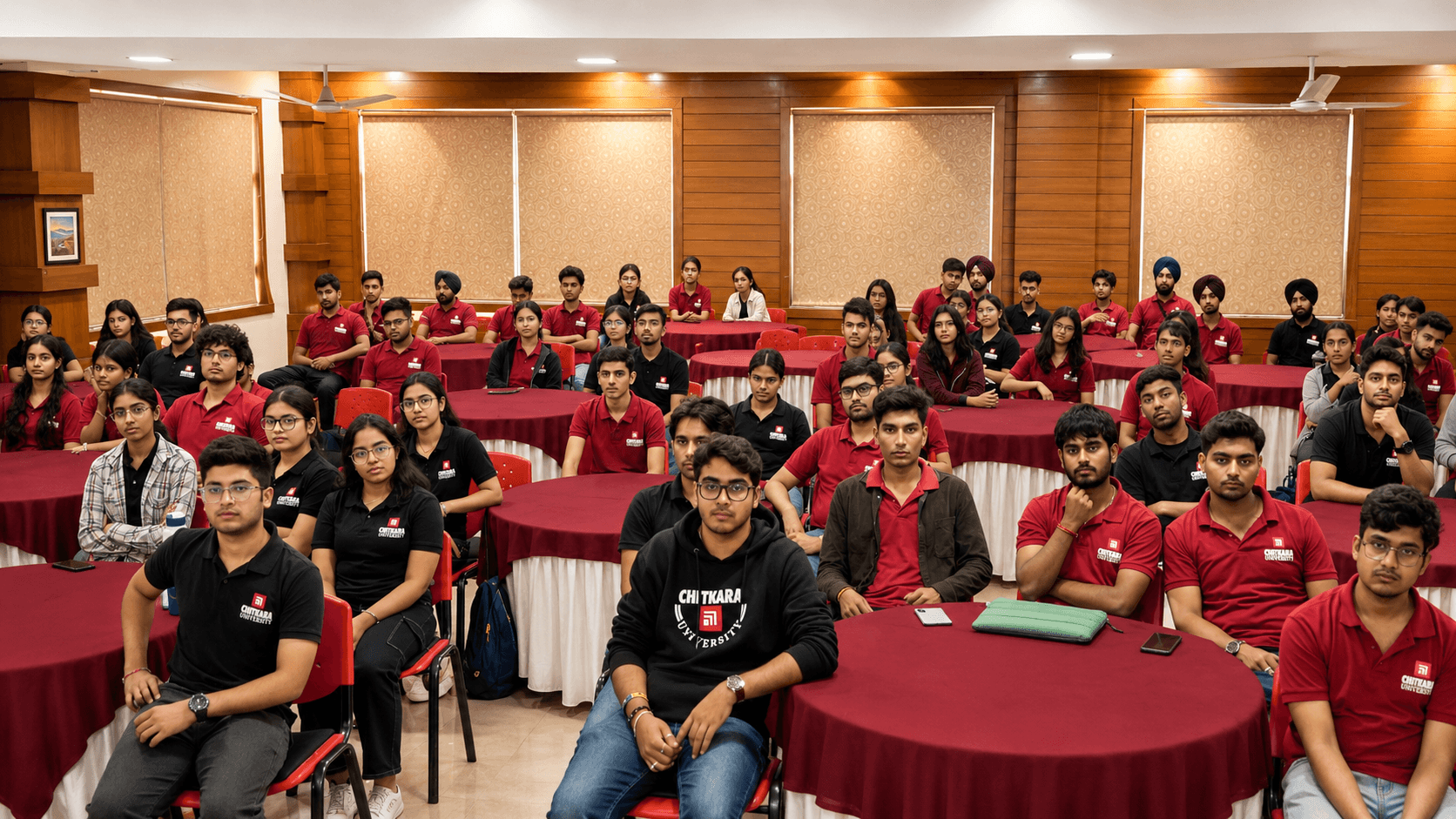

What a Day in techcadd's Google Ads Classroom Actually Looks Like

Curious about what happens inside a Google Ads classroom? Explore a typical learning day at techcadd, from understanding paid advertising and keyword research to creating campaigns, analysing performance and developing practical digital marketing skills.
What a Day in techcadd's Google Ads Classroom Actually Looks Like
Learning Google Ads involves much more than understanding where to click or how to launch an advertisement. Students need to understand audience behaviour, keyword selection, campaign structure, budgeting and performance analysis to create meaningful advertising campaigns.
For someone considering a career in digital marketing, knowing what happens during actual training can make it easier to understand what the learning experience involves. At techcadd, a Google Ads classroom can bring together theoretical concepts, practical exercises, campaign planning and discussions about real-world advertising scenarios.
A typical learning day combines instructor-led explanations with hands-on activities, allowing students to gradually understand how paid advertising works and how different campaign decisions influence results.
Starting the Day With Google Ads Fundamentals
A Google Ads class often begins with a discussion of the concepts students have already covered and the topic they will be exploring next. This helps connect new lessons with previous learning rather than treating every concept as a separate subject.
For beginners, the initial sessions may focus on understanding paid advertising and how businesses use it to reach potential customers through Google's advertising network.
Students learn about the difference between organic search results and paid advertisements. While SEO focuses on improving a website's visibility in unpaid search results, Google Ads allows advertisers to create paid campaigns that can appear in eligible search results and other placements.
The trainer may explain important concepts such as:
Search advertising and display advertising
Campaigns, ad groups and individual ads
Keywords and search intent
Bidding strategies and advertising budgets
Impressions, clicks and conversions
For example, imagine a business offering computer training courses. A student might explore how the business could reach people searching for relevant training programmes through Google Search campaigns.
These discussions help students understand that successful advertising begins with identifying a suitable audience and defining a clear campaign objective.
Learning Keyword Research and Search Intent
Once students understand the basics of paid advertising, keyword research becomes an important part of their learning.
Keyword research helps advertisers identify the search terms that potential customers might use when looking for a product, service or solution.
During a practical session, students may explore Google Keyword Planner to discover keyword ideas, review estimated search volumes and examine competition-related information. They also learn that search volume and competition estimates are indicators, not guarantees of advertising performance.
For example, a student planning a campaign for a web development course might compare search phrases such as "web development course," "learn web development" and "web development training near me."
The trainer can explain how these searches may reflect different levels of intent. Someone searching for general information may be exploring the subject, while someone looking for a nearby training course may have a more specific objective.
Students can organise relevant keywords into groups based on their meaning and campaign goals. They may also explore negative keywords, which help prevent advertisements from appearing for irrelevant searches.
This exercise shows students why choosing relevant keywords matters more than simply collecting a large list of popular search terms.
Building a Google Ads Campaign Step by Step
After understanding keyword research, students can move towards campaign creation using practical exercises or demonstrations.
A campaign is structured around an advertising objective, target audience, budget and selected campaign settings. The exact process depends on the campaign type and the features available in the Google Ads interface.
In a classroom exercise, students might plan a Search campaign for a fictional business.
The process can involve:
Defining the campaign's objective and intended audience.
Selecting the appropriate campaign type.
Organising relevant keywords into ad groups.
Setting a suitable budget and bidding strategy for the exercise.
Writing advertisement headlines and descriptions.
Reviewing targeting, settings and destination pages before launch.
Students learn how these decisions are connected. For instance, an advertisement promoting a beginner's programming course should lead to a relevant page that explains the course rather than an unrelated homepage.
The trainer may also explain how ad relevance, landing page experience and expected user engagement contribute to the overall advertising process.
Depending on the learning activity, students may build campaigns in a demonstration environment, use draft campaigns or work with an authorised live account. This allows them to practise the workflow while avoiding unintended advertising expenditure.
Writing Advertisements That Connect With Users
Creating an advertisement is not simply about including keywords in a headline. Students need to communicate what a business offers and why the information is relevant to the person searching.
In a Google Ads classroom, learners may practise writing responsive search ad headlines and descriptions that clearly explain a product, service or offer.
For example, an advertisement for a fictional digital marketing course might highlight the topics covered, practical learning opportunities and a clear next step for interested learners.
Students can compare different headline approaches and discuss whether the wording accurately reflects the landing page.
They also learn to avoid misleading claims, exaggerated promises and vague advertising language. A well-written advertisement should set realistic expectations and provide useful information.
These exercises help develop writing skills that are useful beyond Google Ads, particularly in content marketing, search engine marketing and digital communication.
Understanding Budgets, Bidding and Campaign Performance
One of the more technical parts of Google Ads training involves understanding how advertising budgets and bidding strategies work.
Students explore concepts such as cost per click (CPC), click-through rate (CTR), conversion rate and cost per conversion. These metrics help advertisers assess different aspects of campaign performance.
For example, a campaign may receive a large number of clicks but generate very few enquiries. This could indicate that the targeting, advertisement, landing page or conversion process needs further investigation.
The trainer may demonstrate how different bidding strategies work and explain the difference between manual bidding and automated bidding options.
Students can also learn how daily budgets are used and why advertisers need to monitor spending against their campaign objectives.
Understanding these concepts helps students move away from judging campaigns solely by the number of clicks or impressions they receive. The actual value of a campaign depends on whether it achieves its intended business outcome.
Analysing Reports and Improving Campaigns
Campaign creation is only one stage of paid advertising. Once a campaign is running, advertisers need to review performance and identify areas for improvement.
In a classroom exercise, students may examine sample reports or authorised campaign data to understand how advertisements are performing.
They can review metrics such as:
Impressions: How often advertisements were shown.
Clicks: How many times users clicked on advertisements.
CTR: The percentage of impressions that resulted in clicks.
Conversions: Valuable actions completed by users, such as submitting a form or making a purchase.
Cost per conversion: The average advertising cost associated with each recorded conversion.
Students may compare the performance of different keywords, advertisements or audience segments and discuss possible reasons for the differences.
They can also learn about conversion tracking and why it needs to be configured correctly. Without reliable tracking, reports may not provide an accurate picture of campaign performance.
This part of the learning experience encourages analytical thinking. Rather than making changes randomly, students learn to use available evidence to form hypotheses, test adjustments and evaluate the results.
Interactive Discussions and Practical Doubt-Solving
Not every classroom session needs to follow a fixed sequence of presentations and exercises. Discussions and question-and-answer activities can help students clarify concepts that may initially seem confusing.
A learner might ask why a keyword is receiving impressions but very few clicks, or why a campaign isn't recording conversions. The trainer can use such questions to explain possible causes and demonstrate a structured troubleshooting approach.
Students may also discuss different advertising scenarios, such as promoting an online store, generating enquiries for a local service or attracting registrations for an educational event.
Working through these examples helps learners understand how campaign strategies can change according to the business objective, audience and available budget.
Collaborative exercises can also encourage students to compare their campaign structures, review advertising copy and explain the reasoning behind their choices.
What Students Gain From a Google Ads Learning Experience
A structured Google Ads learning experience can help students develop a combination of technical, analytical and creative skills.
These may include keyword research, campaign planning, advertisement writing, budget management, performance reporting and conversion tracking.
Students can also develop transferable abilities such as interpreting data, solving problems, communicating ideas and making decisions based on evidence.
These skills may be relevant to several digital marketing roles, including:
Google Ads specialist
PPC executive
Paid search marketing executive
Digital marketing executive
Performance marketing assistant
However, career opportunities depend on practical ability, experience, communication and other relevant skills. Classroom training alone doesn't guarantee employment or campaign results.
Frequently Asked Questions
Is Google Ads suitable for beginners?
Yes. Beginners can start with basic concepts such as keywords, campaign types, ad groups, budgets and advertising metrics before progressing to more advanced campaign strategies.
Do students need coding knowledge to learn Google Ads?
No. Basic Google Ads campaign creation doesn't require programming knowledge. However, familiarity with websites, analytics and conversion tracking can be useful as students progress.
Will students work on live Google Ads campaigns?
Practical activities depend on the training programme and available accounts. Students may use demonstrations, simulated exercises, draft campaigns or authorised live campaigns, depending on the learning objectives and budget arrangements.
What can students do after learning Google Ads?
Students can use their knowledge to explore paid advertising, PPC and broader digital marketing roles. Building practical experience and learning complementary skills such as SEO, Google Analytics and landing page optimisation can further support their development.
From Classroom Learning to Practical Digital Marketing Skills
A day in a Google Ads classroom involves more than learning advertising terminology. It can take students through the process of researching keywords, planning campaigns, writing advertisements, understanding budgets and analysing performance.
For learners at techcadd, combining guided instruction with hands-on practice can help connect these concepts and develop a clearer understanding of paid advertising.
The most valuable learning comes from understanding why campaign decisions are made, recognising when something isn't working and using evidence to improve the approach. With consistent practice and continued learning, students can build a foundation for exploring opportunities in digital marketing and paid advertising.