Is GCP Still Worth Learning in 2026? A techcadd Amritsar Trainer Explains
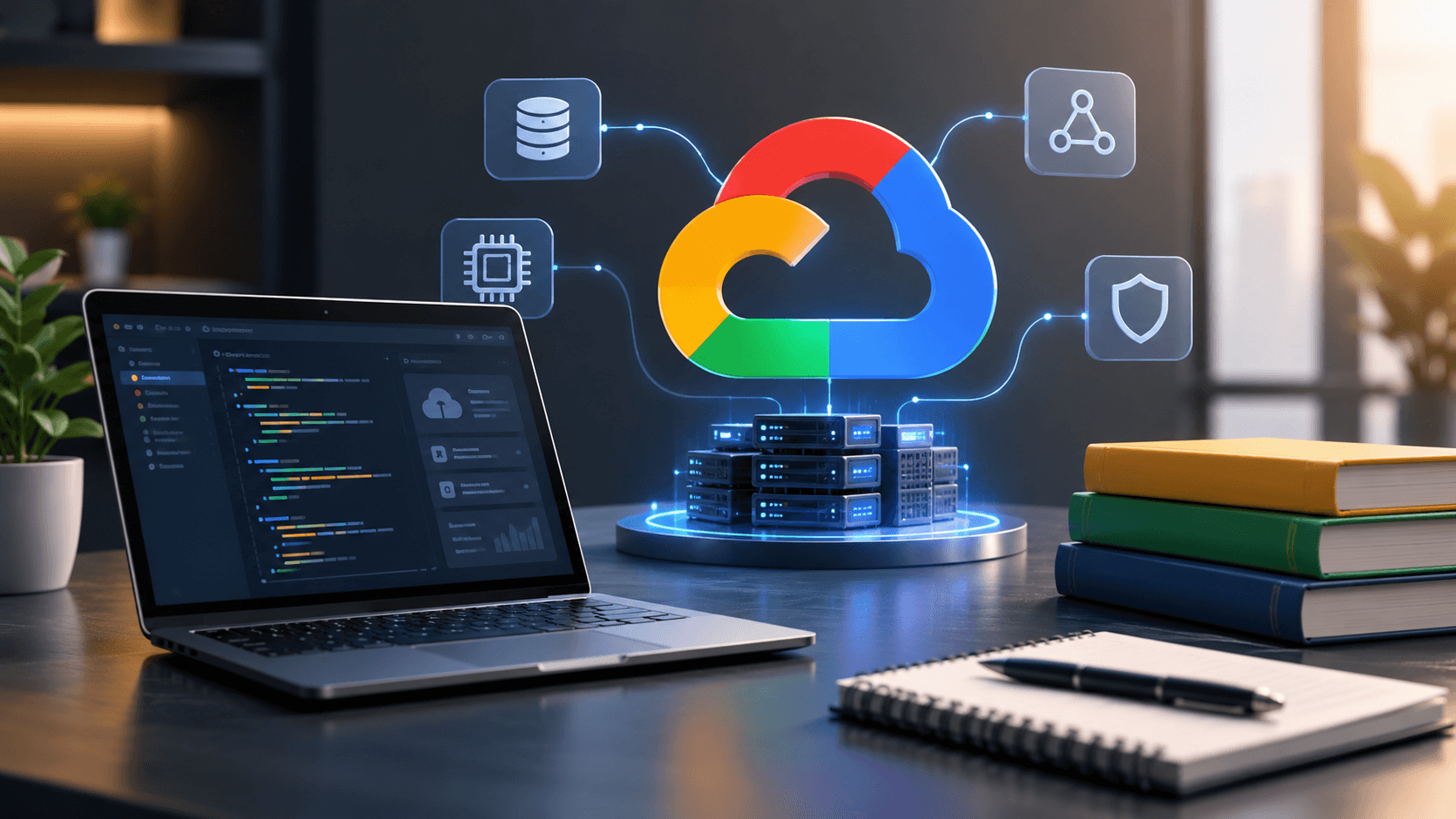
Google Cloud Platform continues to offer opportunities for students interested in cloud computing, data engineering and AI. Explore its key features, career relevance, essential skills and what beginners in Amritsar should consider before learning GCP in 2026.
Is GCP Still Worth Learning in 2026? A techcadd Amritsar Trainer Explains
Cloud computing has become a fundamental part of how businesses develop applications, manage data and deliver digital services. From hosting websites to running machine learning models, organisations use cloud platforms to access computing resources without maintaining all their infrastructure themselves. For students considering a career in cloud computing, choosing which platform to learn is an important first step.
Google Cloud Platform (GCP), now commonly referred to as Google Cloud, remains a relevant option for students and professionals exploring cloud technologies in 2026. It offers services for application hosting, data analytics, artificial intelligence, networking, storage and infrastructure management.
But with Amazon Web Services (AWS) and Microsoft Azure also widely used, students often wonder whether investing time in GCP is worthwhile.
From a cloud computing training perspective, the answer depends on a student's interests, career goals and willingness to develop practical skills beyond learning individual services.
1. GCP Offers Practical Cloud Computing Skills
One of the main reasons to learn GCP is the opportunity to understand how modern cloud infrastructure works. Instead of relying entirely on physical servers, developers and organisations can use cloud resources to deploy, manage and scale applications.
Google Cloud provides a wide range of services that introduce students to important cloud computing concepts.
Some commonly used services include:
Compute Engine: Provides virtual machines for hosting applications, running workloads and managing computing infrastructure.
Cloud Storage: Offers object storage for files, backups, media and application data.
Google Kubernetes Engine (GKE): Helps deploy and manage containerised applications using Kubernetes.
Cloud Run: Allows developers to run containerised applications without managing the underlying server infrastructure.
Cloud SQL: Provides managed relational database services.
Cloud Functions: Supports event-driven application development through functions that respond to specific events.
Learning these services can help students understand how cloud applications are deployed, monitored and maintained.
For example, a student developing a web application can explore hosting its backend on Cloud Run, storing uploaded files in Cloud Storage and connecting the application to a managed database.
This type of practical experience provides a clearer understanding of cloud architecture than studying service definitions alone.
2. GCP Is Relevant to AI, Machine Learning and Data Analytics
Google Cloud has services that support data processing, analytics and artificial intelligence, making it relevant to students interested in more than traditional infrastructure management.
BigQuery is a managed data analytics platform that allows users to analyse large datasets using SQL. It can be useful for students learning data engineering, business intelligence and analytical workflows.
Vertex AI provides tools and infrastructure for building, deploying and managing machine learning models and AI applications. Students interested in machine learning can explore model development, deployment and related workflows through the platform.
Google Cloud also provides services for data processing, streaming and integration, which can help learners understand how data moves through modern applications.
Consider a student project that analyses sales information from an online store. The student could use BigQuery to organise and query the dataset, create reports and explore trends. A more advanced project could incorporate machine learning to generate predictions, subject to the quality and suitability of the data.
For students interested in AI, machine learning or data engineering, GCP can provide a useful environment for learning how cloud infrastructure supports these technologies.
However, learning GCP alone isn't sufficient for an AI or data engineering career. Programming, statistics, SQL, data modelling and an understanding of machine learning fundamentals may also be necessary, depending on the chosen role.
3. Cloud Computing Skills Can Support Different Career Paths
Learning GCP can introduce students to technical concepts used across several areas of software development and IT infrastructure.
Depending on their existing knowledge and practical experience, learners may explore career paths such as:
Cloud engineer: Works with cloud infrastructure, deployments, networking and resource management.
Cloud administrator: Helps manage cloud environments, access controls, monitoring and operational tasks.
DevOps engineer: Works with automation, deployment pipelines, infrastructure and collaboration between development and operations teams.
Cloud support engineer: Helps troubleshoot cloud services, investigate technical issues and support application environments.
Data engineer: Builds and maintains data pipelines, storage systems and analytics infrastructure.
These roles have different technical requirements. For instance, a cloud engineer may need strong networking and infrastructure knowledge, while a data engineer may require SQL, Python and data processing skills.
Students should also understand that learning one cloud platform doesn't automatically qualify them for every cloud-related role. Practical projects, troubleshooting ability, communication and knowledge of supporting technologies are important parts of career preparation.
4. GCP Provides Tools for Modern Application Development
Another reason students consider Google Cloud is its support for modern application development approaches.
Developers can use managed services, containers, serverless computing and application monitoring tools to build and operate applications without managing every component manually.
For example, a student building a Flutter application could develop a backend API and deploy it using Cloud Run. The application could communicate with that backend through REST APIs, while data is stored in a suitable database.
Similarly, a student familiar with Docker can explore containerised deployment and learn how applications are packaged and run consistently across environments.
GKE provides an opportunity to learn Kubernetes, which is used to orchestrate containerised workloads. These concepts are also relevant to understanding how modern development teams manage complex applications.
Students can build on these skills by exploring CI/CD pipelines, infrastructure automation, logging and monitoring. Tools such as Terraform and GitHub Actions can complement GCP learning by introducing repeatable infrastructure management and automated deployment workflows.
Understanding these technologies can help students move beyond basic cloud hosting and explore broader software engineering and operations practices.
5. Learning GCP Can Complement Existing Technical Knowledge
GCP doesn't need to be learned in isolation. Students who already understand programming, databases, networking or web development can use those skills as a foundation for cloud computing.
For example, a Python developer can explore deploying Python applications to Cloud Run. Someone familiar with SQL can practise querying data in BigQuery, while a student with networking knowledge can explore virtual private clouds, firewall rules and load balancing.
This makes GCP relevant to learners from different technical backgrounds, including computer science students, web developers and IT professionals.
It can also help students understand how the technologies they already use fit into a larger application architecture.
Rather than trying to learn every Google Cloud service, beginners can focus on a small group of services that match their interests and develop a deeper understanding of how they work together.
GCP vs AWS vs Azure: What Should Students Know?
GCP, AWS and Microsoft Azure are major cloud platforms, and each offers services for computing, storage, databases, networking, AI and application deployment.
PlatformKey areas to exploreExample servicesGoogle CloudData analytics, AI, containers and cloud infrastructureBigQuery, Vertex AI, GKEAWSCloud infrastructure, serverless applications and extensive service optionsEC2, S3, LambdaMicrosoft AzureCloud infrastructure, enterprise services and Microsoft ecosystem integrationAzure Virtual Machines, Blob Storage, Azure Functions
The services differ in their design, pricing structures, integrations and management approaches. The most suitable platform depends on the type of projects a student wants to build and the technologies used in their intended working environment.
Students don't necessarily need to learn all three platforms at the beginning. Building a strong foundation in one cloud platform can make it easier to understand similar concepts in another.
What Should Beginners Learn Before Starting GCP?
Students can begin learning Google Cloud without being cloud experts, but a few foundational skills can make the experience easier.
A practical learning path includes:
Networking fundamentals: Learn IP addresses, DNS, HTTP, firewalls and basic networking concepts.
Linux basics: Understand command-line operations, file permissions, processes and package management.
Programming: Develop basic skills in Python, Java or another suitable programming language.
Cloud fundamentals: Understand virtual machines, storage, databases, regions, availability and cloud service models.
GCP core services: Explore Compute Engine, Cloud Storage, IAM, Cloud Run and other services based on your interests.
Practical projects: Deploy an application, configure access permissions, monitor resources and document the setup.
Google Cloud offers a free-tier programme for eligible services, but usage limits and billing conditions apply. Students should review current pricing, configure budgets where available and remove unused resources to avoid unexpected charges.
Learning GCP Through Practical Training in Amritsar
For students in Amritsar who prefer guided learning, a structured cloud computing course can provide a planned way to understand cloud fundamentals and work with practical exercises.
When exploring GCP training, students should look for a curriculum that includes cloud architecture, networking, IAM, deployment, storage, monitoring and hands-on projects. Exposure to real development workflows can help learners understand how cloud services are used together.
At techcadd, students interested in cloud computing can explore learning pathways that connect technical fundamentals with practical application. Before selecting a programme, it is worth reviewing its syllabus, practical components and suitability for individual career goals.
A training programme can provide guidance, but independent practice remains essential. Building and deploying personal projects is one way to develop a better understanding of cloud services and their limitations.
Frequently Asked Questions
Is GCP worth learning in 2026?
GCP remains a relevant platform for students interested in cloud infrastructure, data analytics, AI and application development. Its value depends on the learner's career objectives and the practical skills they develop.
Is GCP suitable for beginners?
Yes. Beginners can start with cloud fundamentals and gradually explore core Google Cloud services. Basic knowledge of networking, Linux and programming can make the learning process easier.
Should I learn GCP or AWS first?
Both platforms provide opportunities to learn cloud computing concepts. Students can choose based on their project interests, preferred learning resources and the requirements of roles they want to explore.
Can I get a job after learning GCP?
GCP knowledge can support preparation for cloud-related roles, but learning the platform alone doesn't guarantee employment. Employers may also expect networking, programming, troubleshooting, security and practical project experience.
Is GCP the Right Next Step for Your Career?
Google Cloud continues to provide tools for building applications, managing infrastructure, analysing data and developing AI solutions. For students in Amritsar, learning GCP in 2026 can be a practical way to explore cloud computing and understand how modern software systems operate.
The key is to focus on useful concepts rather than trying to memorise every available service. A combination of foundational knowledge, hands-on projects, problem-solving and consistent practice can help students develop skills that apply beyond a single platform.
For anyone interested in cloud engineering, DevOps, data engineering or cloud-based application development, GCP can be a valuable part of a broader technical learning journey.