
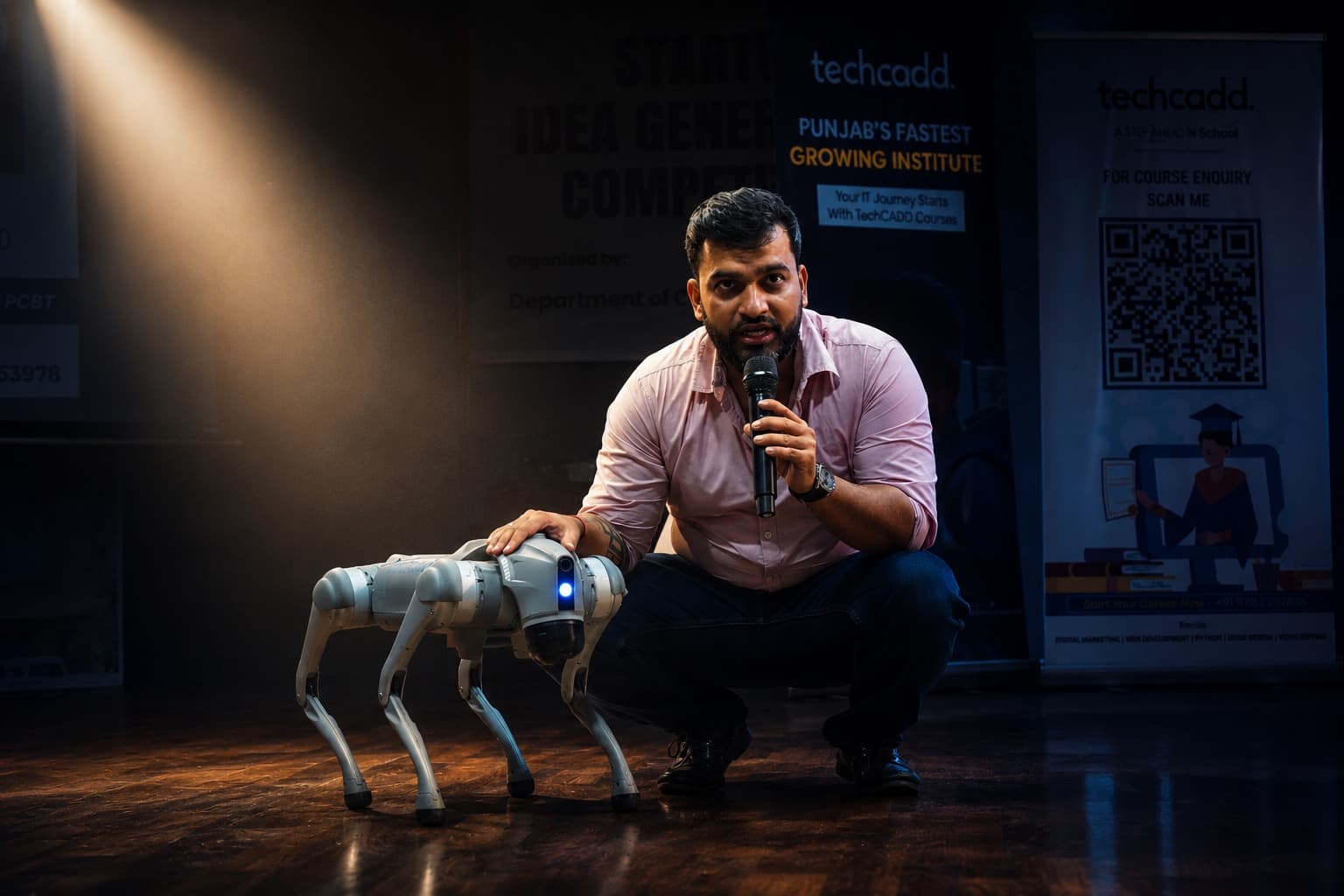
How This techcadd Grad Turned Flutter Development Skills Into a Full-Time Job
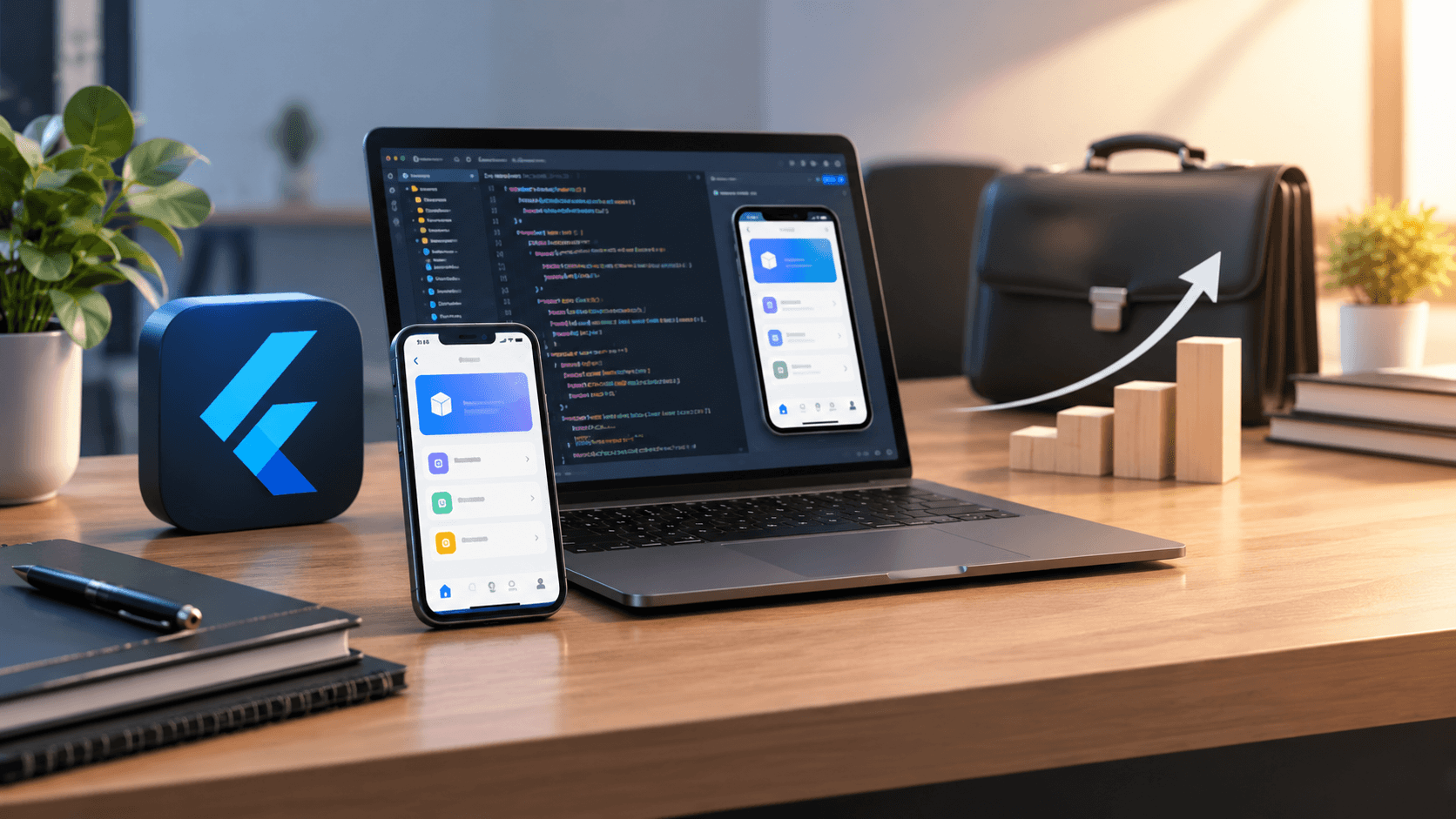
From learning Dart and building mobile applications to preparing for technical interviews, this story explores how a techcadd graduate could turn Flutter development skills into a full-time career through consistent practice, practical projects and industry-focused preparation.
How This techcadd Grad Turned Flutter Development Skills Into a Full-Time Job
Learning a programming language is one thing. Turning that knowledge into a full-time job is an entirely different challenge. For students interested in mobile app development, the journey often involves much more than writing code. It requires practical experience, problem-solving, a strong project portfolio and the confidence to demonstrate technical skills.
Flutter has become one of the frameworks students explore when preparing for careers in mobile application development. Its ability to build applications for multiple platforms using a shared codebase makes it an interesting option for aspiring developers.
This article follows a representative career journey of a techcadd graduate who develops Flutter skills, works on practical projects and prepares for professional opportunities. While the journey is illustrative rather than a verified individual testimonial, it highlights the steps students can take to move from classroom learning towards full-time employment.
Starting With Programming Fundamentals
Like many aspiring developers, the first step in learning Flutter is understanding the basics of programming. Before working with complex application interfaces, students need to become comfortable with variables, data types, functions, loops, conditional statements and object-oriented programming.
For a student beginning mobile app development, Dart is an important part of this foundation. Dart is the programming language used by Flutter and supports concepts such as classes, inheritance, asynchronous programming and null safety.
Initially, these concepts can feel unfamiliar, particularly when students are trying to understand how different parts of an application work together. Regular coding practice helps make them easier to understand.
Rather than rushing directly into building large applications, learners benefit from writing small programs, solving logic-based problems and understanding how to identify and correct errors.
Once the fundamentals become familiar, moving towards Flutter widgets, layouts and navigation becomes more manageable.
Discovering Flutter and Building the First Application
After gaining an understanding of Dart, the next step is learning Flutter itself. Flutter uses a widget-based approach, meaning that much of an application's user interface is built by combining and customising widgets.
A beginner might start by creating a simple login screen, a profile page or a basic calculator application. These projects introduce essential concepts such as layouts, buttons, text fields, navigation and user interaction.
As confidence grows, the student can explore more advanced features, including:
Responsive user interface design
State management
Form validation
REST API integration
Firebase authentication
Local database storage
For example, a simple task management application can gradually evolve into a more complete project with user accounts, task categories, cloud storage and synchronisation.
The objective isn't simply to make an application look attractive. It's to understand how the interface, application logic and data work together to provide a functional experience.
Turning Practice Into Real-World Projects
One of the major steps in preparing for a software development career is applying technical knowledge to projects that solve practical problems.
Instead of depending entirely on tutorial-based exercises, students can develop applications independently and make their own technical decisions.
A Flutter developer might create an expense tracker that allows users to record transactions, organise spending and view summaries. Another project could be a student management application with login functionality, attendance records and a dashboard.
Working on these projects introduces challenges that aren't always covered in introductory lessons. Students may need to debug unexpected errors, manage application state, connect external APIs or improve performance.
These experiences help develop independent problem-solving skills. They also provide tangible examples of technical work that can be demonstrated during interviews.
A useful portfolio should explain the purpose of each project, the technologies used, the developer's specific contribution and the challenges encountered. Source code hosted on GitHub, accompanied by clear documentation and screenshots, can make projects easier for others to review.
Learning the Skills Employers Look For
Flutter is an important part of mobile application development, but professional software projects usually require knowledge of several supporting technologies.
As the graduate's technical understanding develops, learning Git and GitHub can help with source code management and collaboration. REST APIs introduce the process of exchanging information between an application and a server, while Firebase or other backend technologies can support authentication, storage and additional application features.
Understanding state management is also valuable as applications become more complex. Students can explore approaches such as Provider, Riverpod or Bloc, depending on the requirements of their projects.
Beyond technical knowledge, software development involves communication, teamwork, documentation and the ability to understand project requirements.
These skills help developers explain technical decisions, collaborate with other team members and respond constructively to feedback.
A student who understands both the framework and the broader application development process is better prepared to discuss how their work fits into a complete software product.
Preparing for Technical Interviews
After developing a few practical projects, the next challenge is preparing for internship and full-time job opportunities.
Technical interviews for junior Flutter development roles can cover Dart fundamentals, Flutter widgets, state management, navigation, API integration and debugging. Some employers may also assess general programming logic, object-oriented programming and basic data structures.
A graduate can prepare by revisiting important concepts, explaining how their projects work and practising common coding problems.
Project-based questions can be particularly useful. An interviewer might ask why a particular state management approach was selected, how an API error was handled or what changes would be made if an application needed to support more users.
Being able to explain the reasoning behind a technical decision is often as important as knowing the terminology.
Students should also prepare a concise introduction to their skills, learning experience and projects. Practising mock interviews can help them organise their thoughts and communicate more clearly.
From Applying for Jobs to Working in a Development Team
Finding a full-time development role involves identifying suitable opportunities, preparing a relevant resume and demonstrating practical abilities throughout the recruitment process.
A Flutter developer's resume can include technical skills, project descriptions, relevant training and links to a GitHub profile or application demonstrations. Project descriptions should focus on the actual work completed rather than making unsupported claims about expertise.
When applying for junior roles, students may encounter different recruitment processes, including coding assessments, technical interviews, practical assignments and discussions about previous projects.
Once employed, a developer's learning continues. Working in a development team can introduce them to code reviews, issue tracking, application testing, version control workflows and maintaining existing applications.
Real-world development also involves reading other people's code, fixing bugs and adapting to changing requirements. These experiences gradually extend the knowledge developed through independent projects and structured learning.
A full-time role is an important professional milestone, but building expertise remains an ongoing process.
The Role of Structured Training at techcadd
For students who are new to programming or mobile application development, structured training can provide a planned learning path and access to guidance when technical challenges arise.
At techcadd, learners exploring Flutter development can focus on connecting programming fundamentals with practical application-building exercises. A learning approach that includes Dart, Flutter widgets, APIs, databases, debugging and complete projects can help students understand the different stages of mobile app development.
Students should look for training that encourages independent coding rather than relying exclusively on demonstrations. Developing applications from scratch, reviewing mistakes and receiving constructive feedback can help strengthen technical understanding.
Training is one part of career preparation, however. Consistent practice, personal projects, interview preparation and an understanding of industry development workflows also play a role in building professional skills.
Lessons for Students Aspiring to Become Flutter Developers
A transition from learning Flutter to pursuing a full-time development role requires patience and consistent effort. Students can make their learning more focused by setting achievable milestones and gradually increasing the complexity of their projects.
Some practical steps include:
Strengthening Dart and programming fundamentals before moving to advanced concepts.
Building complete applications rather than copying tutorials without understanding the code.
Learning supporting technologies such as Git, APIs and databases.
Documenting projects and maintaining an organised portfolio.
Practising technical interviews and learning to explain project decisions.
Staying familiar with framework updates and evolving development practices.
Progress won't always be linear. Debugging difficult problems, revisiting misunderstood concepts and improving existing projects are normal parts of becoming a developer.
Building a Career Through Consistent Learning
A career in Flutter development isn't built around one programming language or a single completed project. It develops through a combination of technical knowledge, practical experience, independent problem-solving and the ability to work with others.
For students at techcadd and aspiring developers elsewhere, the journey from classroom learning to a professional role can begin with small steps: understanding Dart, creating a first application, solving real development problems and gradually building a portfolio.
A well-rounded learning process can help graduates demonstrate what they know and prepare for the expectations of professional software development. Ultimately, the progress made through regular practice and meaningful project work can form a valuable foundation for a long-term career in mobile application development.