Flagship project
Obsolete Spare Part
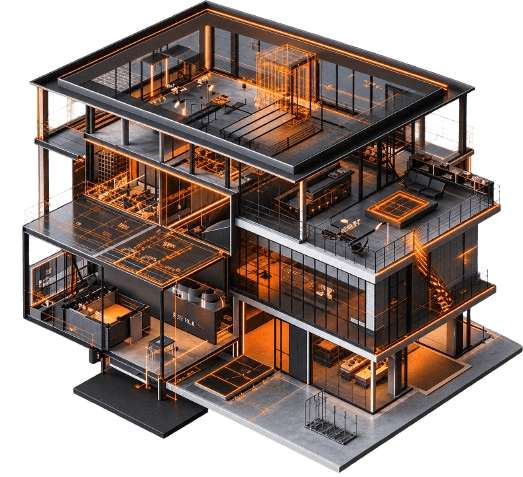
A worn spare part scanned and rebuilt so it can be remanufactured without original drawings.
- SolidWorks
- SolidWorks Drawings
- eDrawings

4.7/5
Student rating
6
Structured modules
4+
Portfolio projects
Yes
Placement support
Admissions open
Reverse Engineering · 1 – 2 months
Batch timings
The course covers the full scan-to-CAD workflow — capturing a part, cleaning the point cloud and mesh, and rebuilding it as a parametric model checked against the original scan.
The reverse engineering programme at techcadd Amritsar is built the way the work is actually done: you handle the data, train and break the models, then ship something that runs. Tools such as 3D scanner software, Geomagic Design X, SolidWorks are installed on your own machine in week one, not shown on a slide in week ten.
It runs across 1 – 2 months with morning, evening and weekend batches, and every module closes in a reviewable artefact. By the end you hold a certificate, a portfolio, and the ability to talk through your own decisions in an interview for a reverse engineering engineer role.
Reverse Engineering Basics is where the Reverse Engineering track gets its footing. You work the concepts in the lab first, then carry them straight into the running project rather than leaving them as isolated exercises.
A reviewed piece of work demonstrating where scan-to-cad is used and measuring with callipers and gauges.
This block turns 3d scanning from something you have read about into something you can do under time pressure, with a mentor reviewing the work as you go.
A reviewed piece of work demonstrating scanner setup and calibration and targets, alignment and multiple scans.
By the end of point clouds & mesh processing, you can make the calls a working reverse engineering practitioner makes daily — and explain why you made them.
A reviewed piece of work demonstrating noise removal and merging and mesh repair and hole filling.
Scan-to-CAD Modelling is taught against realistic, imperfect inputs. The point is not the clean textbook case; it is what you do when the data or the requirement fights back.
A reviewed piece of work demonstrating extracting planes, cylinders and features and sketches from mesh sections.
Everything in freeform surfaces feeds the next stage of the reverse engineering build, so nothing here is theory you park and forget.
A reviewed piece of work demonstrating auto-surfacing and patch layouts for organic shapes.
You leave accuracy checks & handover with a reviewed artefact in your portfolio, not just notes — that is the standard every module in this course is held to.
A physical part rebuilt as an editable CAD model with a deviation report against its scan.
A worn spare part scanned and rebuilt so it can be remanufactured without original drawings.
An organic handle scanned and surfaced into a clean CAD model.
A real part from the techcadd project pipeline, scanned, rebuilt and checked against its scan.
A colour-mapped comparison of rebuilt CAD against scan data, with tolerances noted.
Every project moves through the same loop: understand the brief, build it with guidance, then explain the decisions behind your work. The certificate is the receipt — the portfolio is the point.
Break a real requirement into a plan, the constraints it has to live inside, and the right tool for each part of it.
Obsolete Spare Part
Work hands-on with trainer feedback arriving while the decisions are still cheap to change.
Freeform Handle
Turn the finished work into a portfolio story you can defend line by line in an interview.
Live Scan-to-CAD Brief
Most reverse engineering training in this region stops at the tutorial: you follow along, the notebook runs, nothing is retained. This programme is built the other way round — every module hands you an unfinished problem and a deadline, and a mentor reviews what you did with it.
That is slower and harder than watching lectures. It is also the only version that survives an interview, because the questions there are about the decisions you made, not the code you copied.
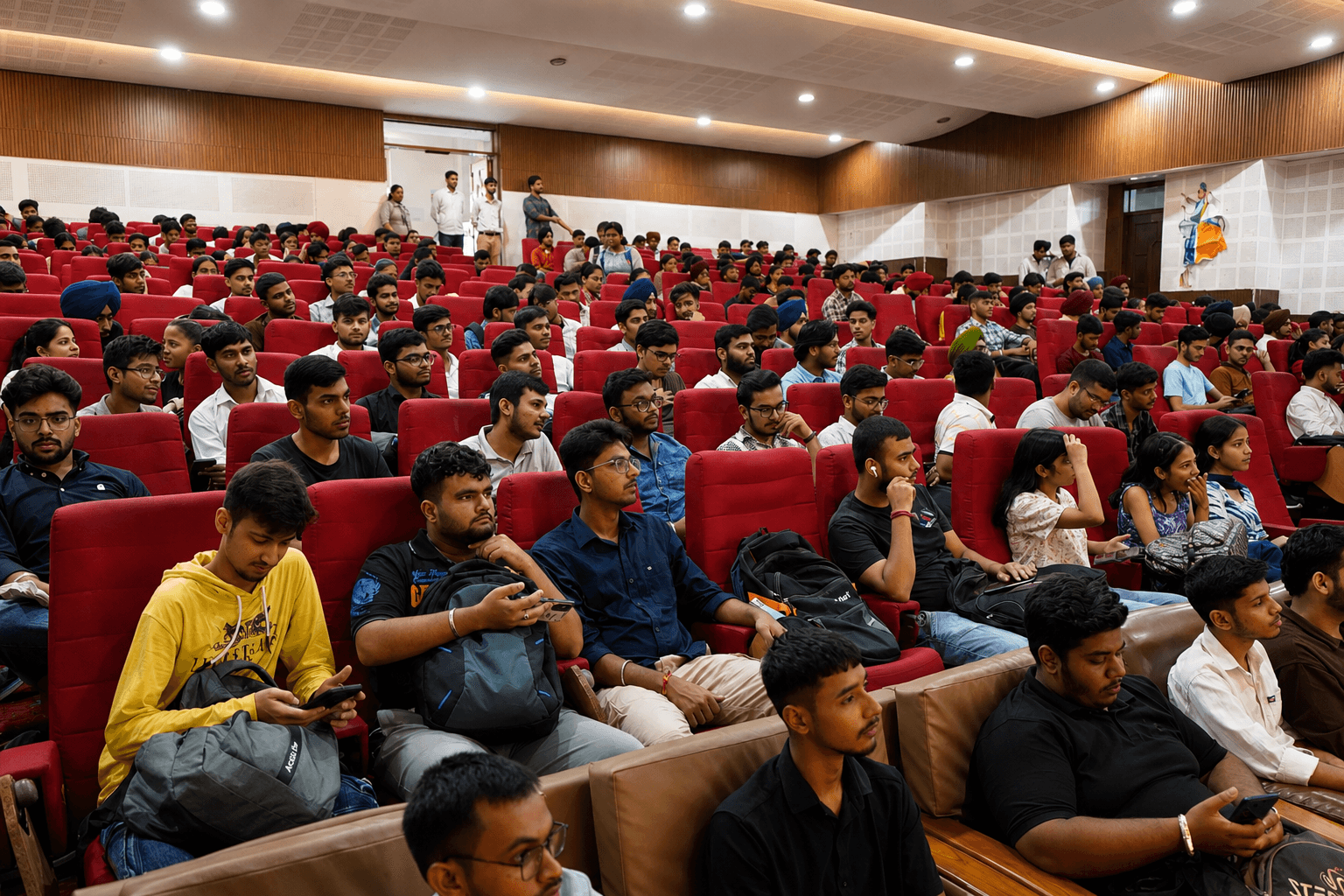
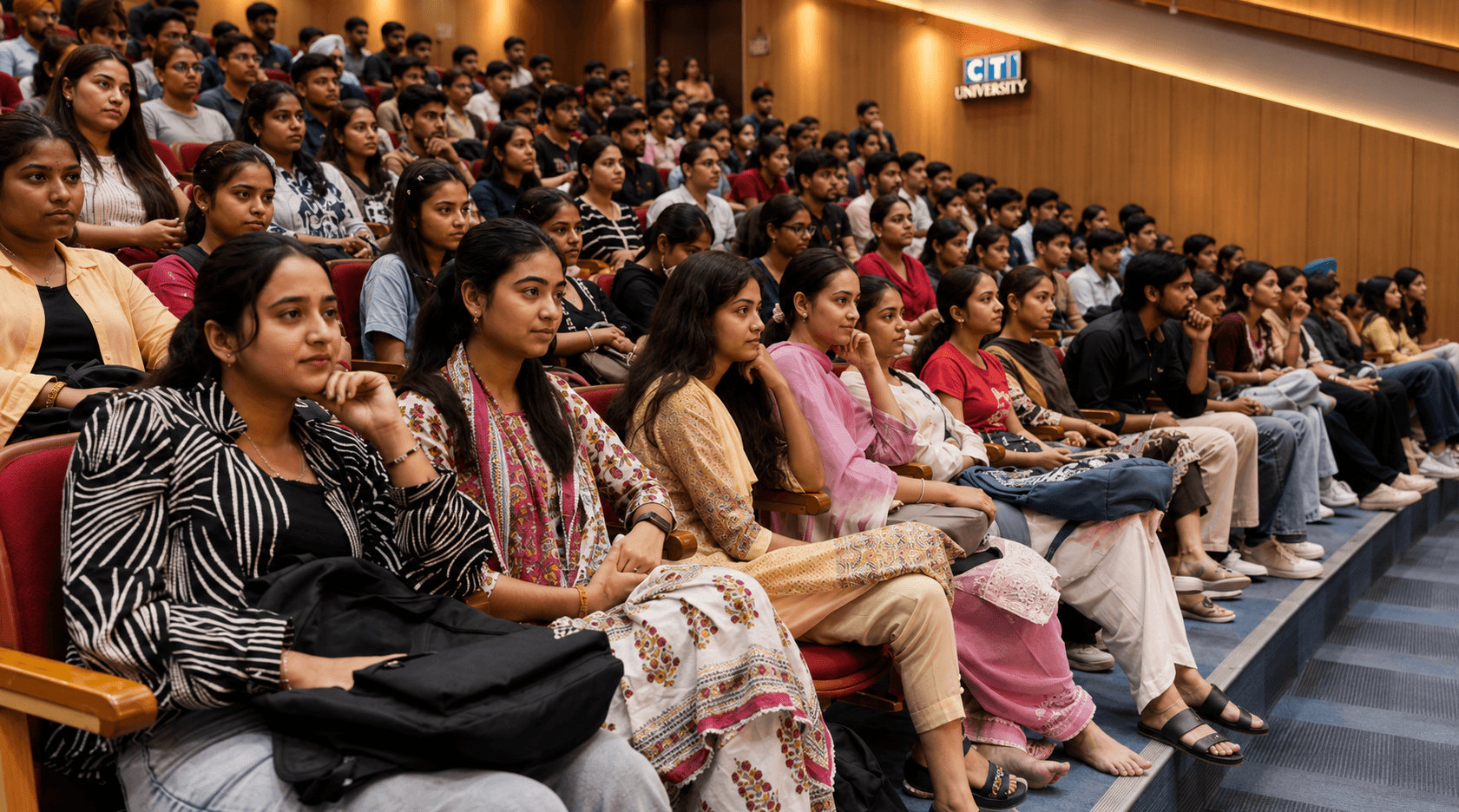
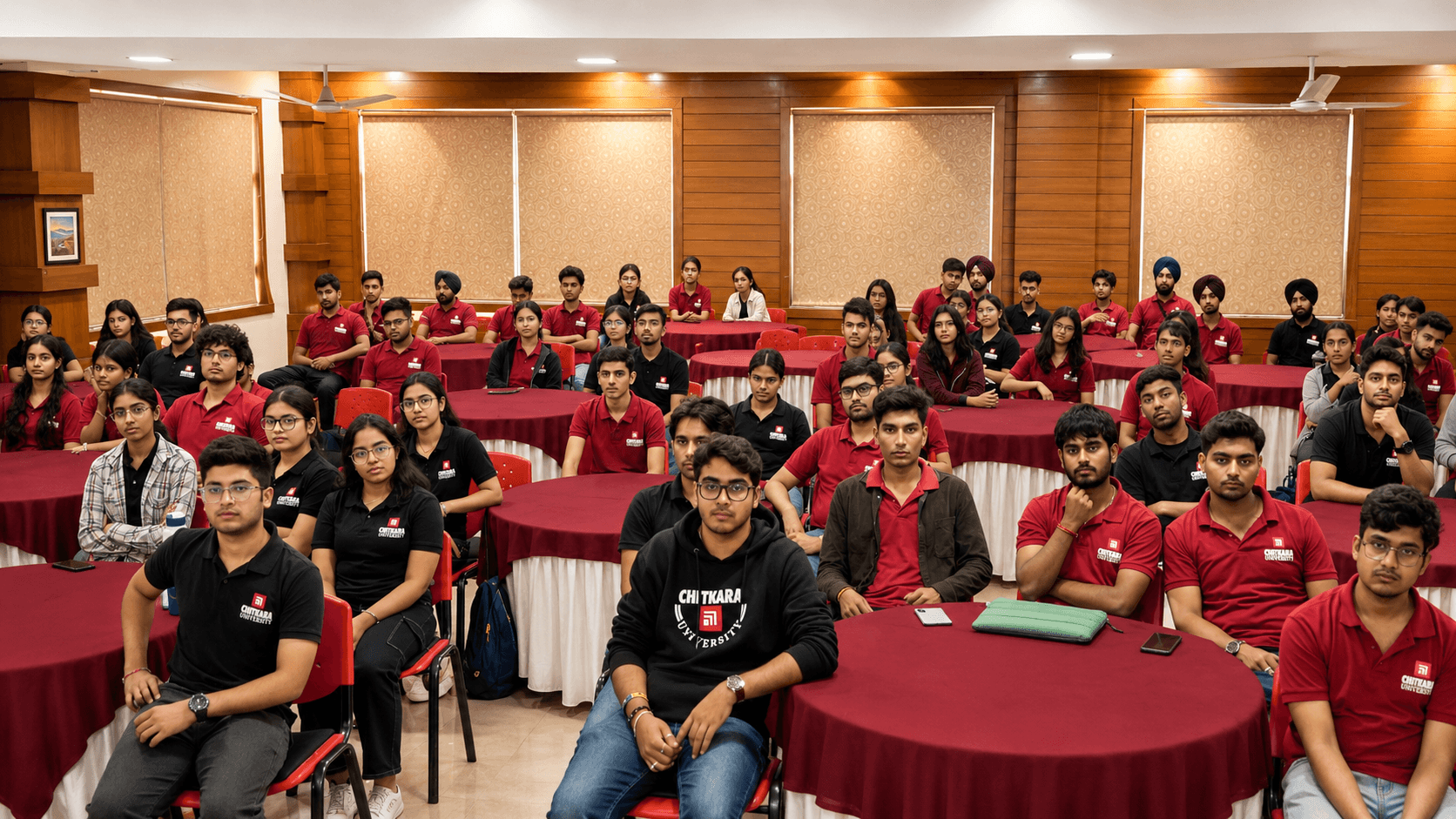
Project review week at the Amritsar campus
Mentors mark up work line by line
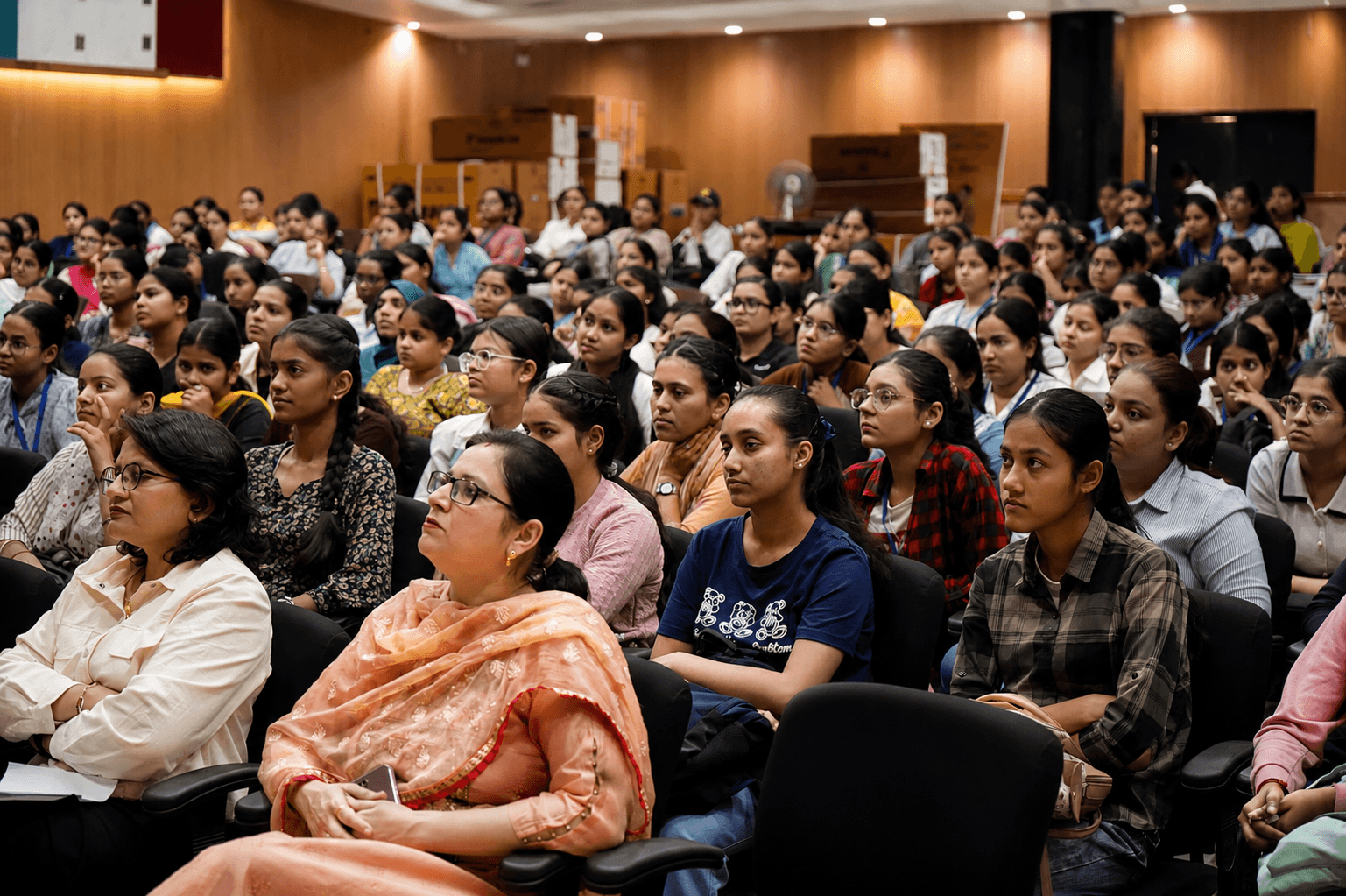
Hiring drive & mock interview day
Practitioners run the panel, not HR
Two decades of training in Amritsar, in a format that has not changed since: small batches, real projects, mentors who still work in the field.
Your mentor works in reverse engineering for a living. The examples in class come from that work, and so do the shortcuts.
Batch sizes are capped so a raised hand gets answered in the session it was raised in, not weeks later.
Every submission comes back annotated, line by line. The notes are the point — they are what you carry into the interview.
We teach 3D scanner software, Geomagic Design X, SolidWorks and refresh the list each intake, because a stale stack is worse than no stack.
Morning, evening and weekend tracks, classroom or live online, with recordings either way for revision.
Resume and portfolio review, mock interviews and hiring-drive access — and it does not stop the day the course ends.
There is no entrance test and no restrictive prerequisite. What follows is what the programme actually checks for before you enrol.
Job titles vary by company, but the underlying expectations do not. Each destination below maps to work you will have already done during the programme.
Every tool below is installed, configured and used by you during the course — not demonstrated on a slide. You leave able to set up your own environment from scratch.
7tools covered
Issued on completion against the modules you finished and the projects you submitted — plus an internship letter where the industrial training track applies. Shareable to LinkedIn, and verifiable by an employer who calls the Amritsar desk.
A certificate answers what you can do today. This is the honest answer to what reverse engineering looks like three to five years out, and why the fundamentals this course spends real time on are what carry you there.
The 1 – 2 months programme is built around the part that is genuinely in your hands — and you leave holding all of it.
A reviewed portfolio, an industry-recognised certificate and a fundamentals-first foundation you can keep building on. Markets move, as they always have; that foundation is exactly what lets you move with them as drafting and design work around you keeps shifting.
An honest side-by-side against the typical reverse engineering institute in the region. Ask any centre you are considering these same seven questions.
| What you should ask | techcadd Amritsar | Typical institute |
|---|---|---|
| Who teaches the batch | Working practitioners | Full-time trainers only |
| Project work | 4+ reviewed builds | One demo project, unmarked |
| Feedback on submissions | Line-by-line written review | Pass / fail mark |
| Syllabus refresh | Reviewed every intake | Static for years |
| Lab access | Outside batch hours too | Batch hours only |
| Placement support | Continues after completion | Ends with the course |
| Certificate basis | Assessed modules & projects | Attendance |
“Typical institute” describes the common pattern we hear about from students who transfer in — not any single named centre.
Collected from students who completed the reverse engineering programme at the Amritsar campus, across morning, evening and weekend batches. Hover a card to stop the row and read it.
4.7
out of 5
123 verified reviews from Amritsar students
I joined the Reverse Engineering batch with almost no background, and what made the difference was that reverse engineering basics was taught by building rather than by slides. By the third week I was debugging my own code instead of copying someone else's.
The project reviews are the real value. My freeform handle was picked apart line by line, and those notes are exactly what I ended up talking through in the interview that got me a 3d scanning technician offer.
Weekend batches meant I kept my job through the whole 1 – 2 months. Anything I missed got re-explained without fuss, and lab access outside batch hours was never a problem.
SolidWorks and the rest of the stack were set up on day one, so no week went into environment issues. Batches are small enough that a doubt gets answered the same day instead of piling up.
I had tried learning reverse engineering on my own twice and stalled both times. A fixed batch in Amritsar, a mentor who checks your work and a deadline on every module is the only reason I finished.
Placement support was not just a line on the brochure — resume and portfolio review, two mock interviews with people who do the job, and a referral into one of the hiring drives.
The syllabus is current. We worked in SolidWorks rather than the older tooling most reverse engineering syllabi around here still teach, and that came up directly in my first interview.
The balance of theory to lab time is about right: enough to understand why something works, then straight into building. I left with 4 projects I can demo, not just a certificate.
If something here is not covered, the Amritsar desk will answer it directly — no call-back queue.
No. The programme opens at intermediate level and assumes no background beyond comfort with a computer. Students who already have some exposure move through the early modules faster and spend the saved time on project work.
Book a free demo class and see the lab before you decide.