
Skip to content
Cloud ComputingHigh-Growth Skill

GCP Professional Certification Course in Amritsar – Zero to Job Ready with Real Cloud Projects & Placement Support

GCP Professional Certification Course course in Amritsar
Job-oriented Google Cloud training built on real cloud engineering scenarios — small batches, daily hands-on labs and 100% placement assistance.
3 / 6 MonthsBeginner to advancedHybrid
  • 3 / 6 Months

    Duration

  • Weekday/Weekend

    Mode

  • 12th Pass/Any Grad

    Eligibility

  • 10-12 Students

    Batch Size

Admissions open

GCP Professional Certification Course · 3 / 6 Months

Batch timings

  • Morning
  • Evening
  • Weekend
  • Live online
About the programme

Course overview

Course overview

techcadd's GCP Professional Certification Course in Amritsar is a practical, project-first introduction to cloud engineering for beginners and career switchers.

It opens with cloud fundamentals, Google Cloud core infrastructure, and IAM, then moves into compute services, networking, storage, Kubernetes, CI/CD, monitoring, and cloud-native application deployment on real projects.

You finish with a deployed portfolio of cloud projects, a capstone project, CV preparation and interview coaching.

Every organisation in Amritsar — from IT services firms near Ranjit Avenue to product companies on Airport Road, from cloud-first startups to established enterprises — is confronting the same challenge: cloud infrastructure is no longer a competitive advantage, but a baseline requirement. Google Cloud has become the backbone of modern enterprise architecture, enabling teams to build scalable, secure, and intelligent applications using the same infrastructure Google uses internally. Companies that once relied on on-premise systems now need professionals who can design, deploy, and manage production-grade cloud solutions — efficiently and at scale.

techcadd's GCP Professional Certification Course in Amritsar is built on the tools and domains you actually see in job listings — Compute Engine, Kubernetes Engine, Cloud Run, BigQuery, Cloud Build, IAM, VPC networking, and real-world cloud scenarios — not abstract theory. You build cloud skills and complete hands-on labs from the very first module and finish with a deployed portfolio of cloud projects, not just a certificate. The programme runs in a 3-month foundation track, with an optional 6-month extended track for deeper mastery. Batches are capped at 10–12 students, and every project you build is reviewed weekly by mentors who still work on live cloud engineering projects.

Placement assistanceLive cloud labsInternship certificate
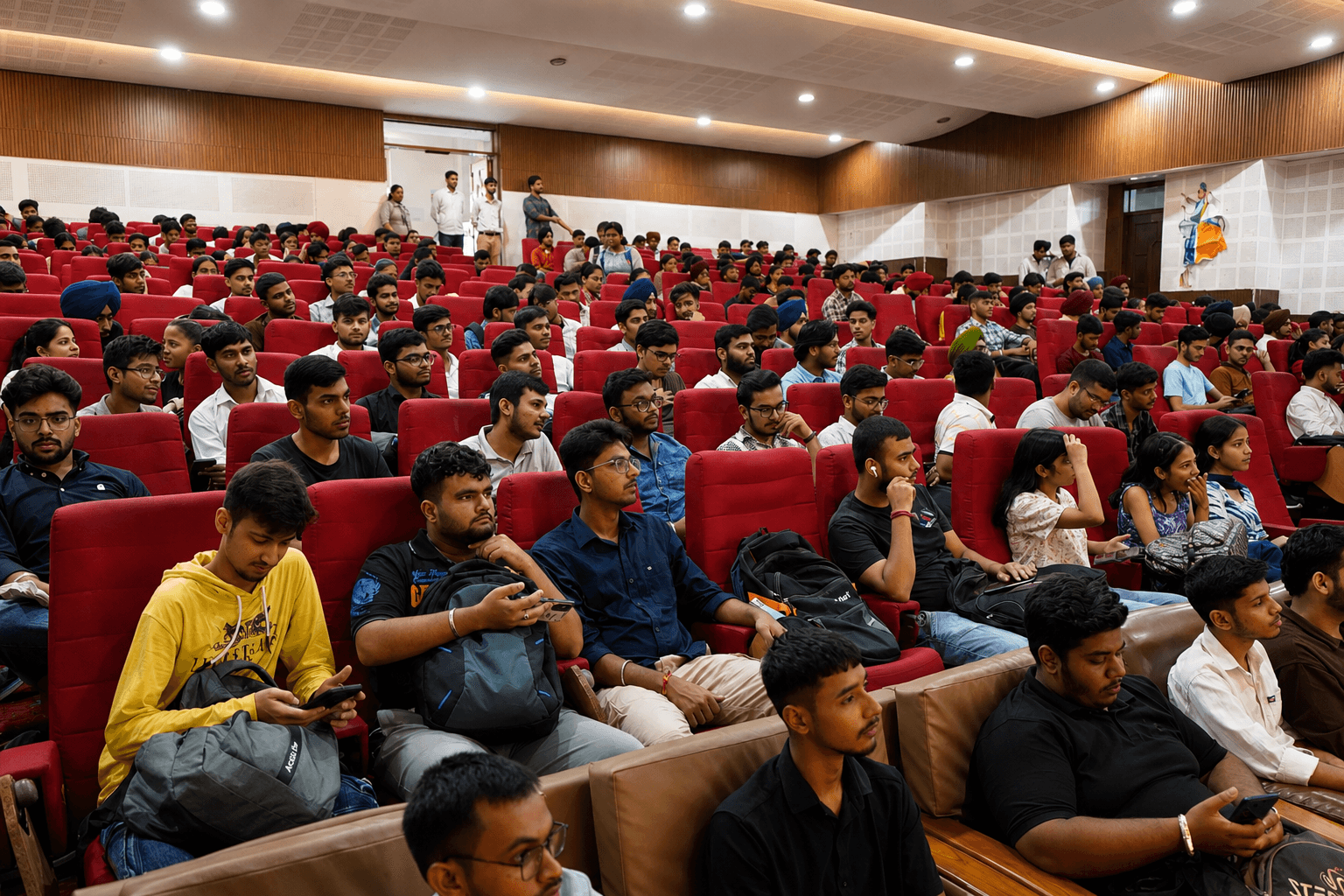
Inside the Amritsar lab — a walkthrough of the gcp professional certification course track.
Duration
3 / 6 Months
Level
Beginner to advanced
Mode
Hybrid
Batches
Morning, evening & weekend
Module by module

The curriculum, module by module

Module by module curriculum
The GCP Professional Certification Course is a nested ladder — the longer track includes every module from the shorter track and adds more depth. No module is repeated; you continue building on the skills you have already learned.
  1. Module 01 of 10

    Cloud Fundamentals & Google Cloud Core Infrastructure

    The foundational cloud knowledge every GCP engineer assumes you already know — how Google Cloud is organized and how to interact with it.

    Topics covered

    • Cloud computing concepts
    • Google Cloud resource hierarchy
    • projects
    • billing
    • IAM fundamentals
    • Cloud Console
    • Cloud Shell
    • gcloud CLI

    Tools in this module

    Google Cloud ConsoleCloud Shellgcloud CLIIAMResource Manager
    You finish with

    A documented cloud fundamentals notebook with IAM and project setup exercises

  2. Module 02 of 10

    Compute Engine & Virtual Networking

    Core compute and networking — building and connecting virtual infrastructure on Google Cloud.

    Topics covered

    • VM instance creation and management
    • instance templates
    • managed instance groups
    • VPC networks
    • subnets
    • firewall rules
    • load balancing
    • autoscaling

    Tools in this module

    Compute EngineVPCCloud Load BalancingManaged Instance Groups
    You finish with

    A multi-tier cloud infrastructure with load balancing and autoscaling

  3. Module 03 of 10

    Storage, Databases & Identity Management

    Data and identity — storing, securing, and managing access to cloud resources.

    Topics covered

    • Cloud Storage
    • Cloud SQL
    • Firestore
    • Cloud Spanner
    • Bigtable
    • IAM roles and policies
    • service accounts
    • security best practices

    Tools in this module

    Cloud StorageCloud SQLFirestoreCloud SpannerIAMService Accounts
    You finish with

    A cloud application with storage, database, and IAM integration

  4. Module 04 of 10

    Kubernetes Engine & Container Orchestration

    Containers and orchestration — running containerized applications on Google Kubernetes Engine.

    Topics covered

    • Container fundamentals
    • Docker
    • Kubernetes architecture
    • GKE clusters
    • pods
    • services
    • deployments
    • ingress
    • persistent storage

    Tools in this module

    DockerGoogle Kubernetes Engine (GKE)kubectlArtifact Registry
    You finish with

    A deployed application running on GKE with services and ingress

  5. Module 05 of 10

    Cloud-Native Applications & Serverless Computing

    Serverless and cloud-native — building and deploying applications without managing servers.

    Topics covered

    • Cloud Run
    • Cloud Functions
    • App Engine
    • event-driven architecture
    • API management
    • Cloud Endpoints
    • application deployment

    Tools in this module

    Cloud RunCloud FunctionsApp EngineCloud EndpointsPub/Sub
    You finish with

    A fully functional serverless application on Google Cloud

  6. Module 06 of 10

    CI/CD, DevOps & Infrastructure as Code

    DevOps automation — building pipelines and managing infrastructure as code.

    Topics covered

    • CI/CD pipelines
    • Cloud Build
    • Cloud Deploy
    • Terraform
    • infrastructure as code
    • source repositories
    • automated testing
    • deployment strategies

    Tools in this module

    Cloud BuildCloud DeployTerraformCloud Source RepositoriesArtifact Registry
    You finish with

    An automated CI/CD pipeline with Terraform-managed infrastructure

  7. Module 07 of 10

    Monitoring, Logging & Site Reliability Engineering

    Observability — monitoring, debugging, and ensuring reliability of cloud applications.

    Topics covered

    • Cloud Monitoring
    • Cloud Logging
    • Cloud Trace
    • Error Reporting
    • SLIs
    • SLOs
    • SLAs
    • error budgets
    • incident response
    • observability

    Tools in this module

    Cloud MonitoringCloud LoggingCloud TraceError ReportingCloud Profiler
    You finish with

    A monitored application with dashboards, alerts, and SLO documentation

  8. Module 08 of 10

    Advanced Networking & Hybrid Cloud Architecture

    Advanced networking — connecting on-premise and cloud environments securely.

    Topics covered

    • VPC peering
    • Shared VPC
    • Cloud VPN
    • Cloud Interconnect
    • Cloud NAT
    • Private Google Access
    • hybrid connectivity
    • network security

    Tools in this module

    VPCCloud VPNCloud InterconnectCloud NATCloud ArmorPrivate Service Connect
    You finish with

    A hybrid cloud architecture with secure connectivity and network policies

  9. Module 09 of 10

    Data Engineering & Analytics on Google Cloud

    Data engineering — building data pipelines and analytics solutions on Google Cloud.

    Topics covered

    • BigQuery
    • Dataflow
    • Dataproc
    • Pub/Sub
    • Cloud Composer
    • data pipelines
    • ETL processes
    • analytics workloads

    Tools in this module

    BigQueryDataflowDataprocPub/SubCloud ComposerDataplex
    You finish with

    A data pipeline with BigQuery analytics and documented ETL workflows

  10. Module 10 of 10

    Capstone Project, Career & Interview Readiness

    A capstone project combining compute, networking, Kubernetes, CI/CD, monitoring, and data services, plus career readiness for cloud engineering roles.

    Topics covered

    • Full cloud project lifecycle
    • solution architecture
    • portfolio development
    • resume
    • LinkedIn profile
    • interview readiness
    • GCP certification exam preparation

    Tools in this module

    GitHubPortfolioResumeLinkedInGCP certification practice exams
    You finish with

    A complete capstone cloud project with documentation, and an interview-ready GCP portfolio and resume

What you build

Projects that answer the interview question for you

Portfolio projects
Each project is reviewed individually, and the review notes go into your portfolio documentation.
Flagship project

Multi-Tier Cloud Infrastructure

Build a load-balanced, autoscaling infrastructure on Compute Engine with VPC networking.

  • Compute
  • Networking
  • Load Balancing
02

Kubernetes-Deployed Application

Deploy a containerized application on GKE with services, ingress, and persistent storage.

  • Kubernetes
  • Docker
  • GKE
03

Serverless Cloud Application

Build a serverless application with Cloud Run or Cloud Functions, Pub/Sub, and Firestore.

  • Serverless
  • Cloud Run
  • Firestore
04

Expert Capstone Project

Complete an end-to-end production-grade cloud project with CI/CD, monitoring, and security best practices.

  • Multi-Domain
  • Portfolio
  • Deployment
The working loop

Learn it. Build it. Make it yours.

Learn it. Build it. Make it yours.

Every project moves through the same loop: understand the brief, build it with guidance, then explain the decisions behind your work. The certificate is the receipt — the portfolio is the point.

  1. 01

    Industry-focused curriculum

    You learn it the way professional cloud engineering teams use it, with the workflow and standards a GCP engineer expects.

    Multi-Tier Cloud Infrastructure

  2. 02

    Live cloud labs

    Every module runs on real cloud scenarios with real infrastructure and real results, not a slide or a screenshot.

    Kubernetes-Deployed Application

  3. 03

    Mentor-reviewed deliverables

    Each module ends with a working cloud deployment reviewed weekly by a mentor who still works on live cloud projects.

    Serverless Cloud Application

  4. 04

    Real projects and scenarios from the start

    Every project is built on real-world cloud requirements and measured through working infrastructure, the way cloud teams work.

    Expert Capstone Project

The honest pitch

Your months should build more than a certificate.

Your months should build more than a certificate.

A course is worth the time you give it only if you finish with cloud projects you can show and skills you can defend.

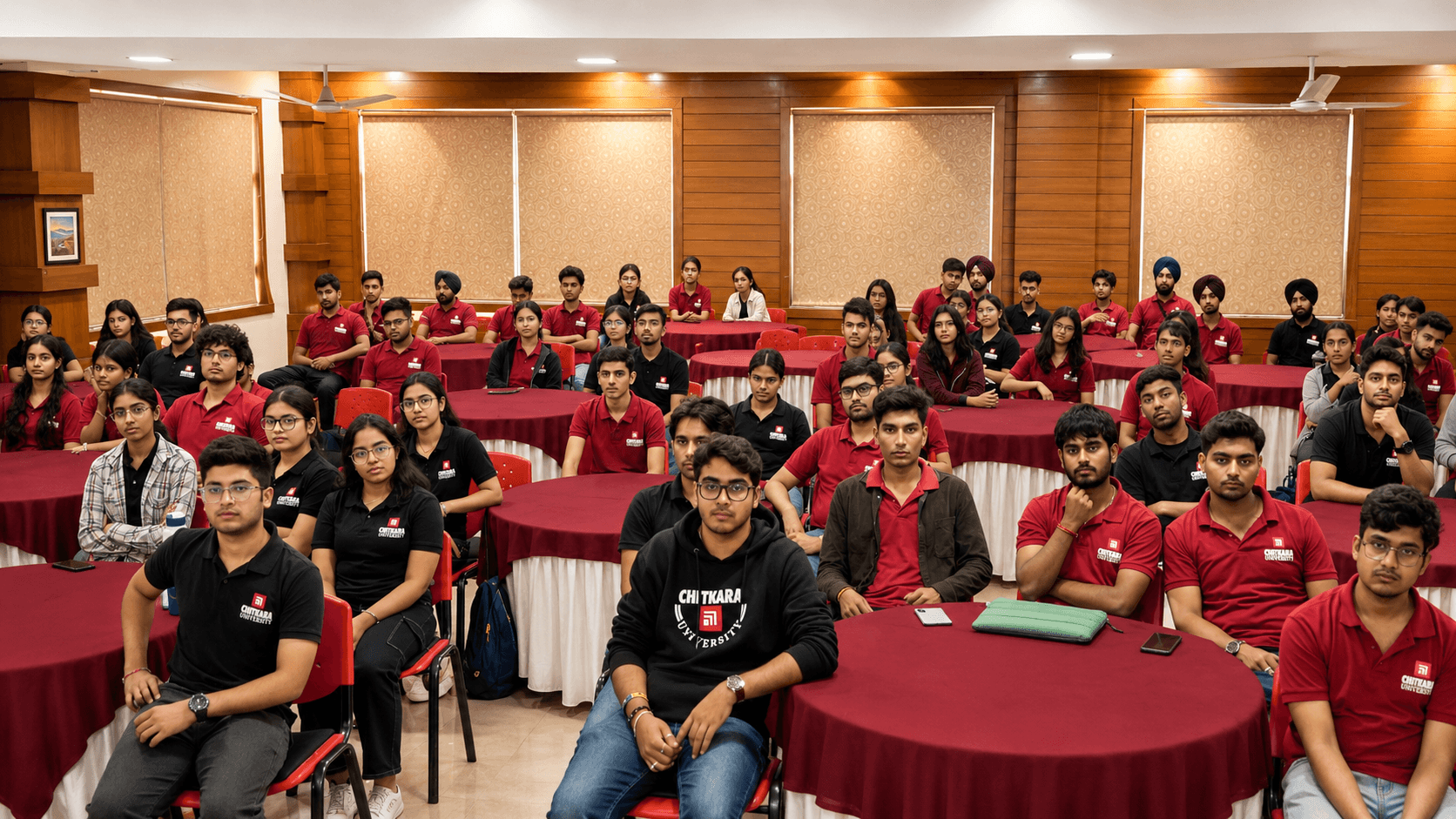
Project review week at the Amritsar campus

Mentors mark up work line by line

Hiring drive & mock interview day

Practitioners run the panel, not HR

Why choose GCP Professional Certification Course

Why students choose techcadd

Why students choose techcadd

What makes this course at techcadd different from a typical alternative is that every module is built on a real cloud engineering scenario and documented to professional standards, so you finish with an end-to-end GCP portfolio rather than disconnected certificates.

  • 01

    Mentors who still work on live cloud projects

    Not full-time lecturers — trainers who are still doing the job they teach.

  • 02

    One cloud project, extended through every module

    You start the project in Module 01, extend it through every module, and complete the capstone by Module 10.

  • 03

    Small batch sizes

    10–12 students per batch ensures every student gets personalised feedback on every deliverable.

  • 04

    Nested, no-repeat curriculum

    Longer programs include everything from shorter tracks and add more depth — you never repeat a module.

  • 05

    Documented internship experience

    Every student receives a documented internship certificate alongside their course certificate.

  • 06

    Placement support

    Resume and LinkedIn preparation, interview coaching, and active placement assistance for graduates.

Eligibility

Who can join the GCP Professional Certification Course course

Who can join the GCP Professional Certification Course course

This course works for a specific starting point — here's who gets the most out of it.

  • Educational backgroundNo specific degree or stream required — school leavers, graduates and career switchers all qualify.
  • Prior experienceNone required. The programme opens at beginner level and builds from there across 3 / 6 months.
  • AgeNo upper age limit. What matters is being able to commit to the full course rather than dropping off midway.
  • EquipmentA laptop or desktop with a stable internet connection for classroom or live-online batches.
  • Time commitmentAble to attend regularly across 3 / 6 months, in a morning, evening or weekend batch.
Where it leads

The roles this portfolio opens

Job titles vary by company, but the underlying expectations do not. Each destination below maps to work you will have already done during the programme.

    Tools you will actually use

    The working stack for GCP Professional Certification Course

    Tools and technologies covered

    Every tool below is installed, configured and used by you during the course — not demonstrated on a slide. You leave able to set up your own environment from scratch.

    20tools covered

    Virtual machines
    • Compute Engine
    Container orchestration
    • Google Kubernetes Engine
    Serverless containers
    • Cloud Run
    Serverless functions
    • Cloud Functions
    Serverless platform
    • App Engine
    Virtual networking
    • VPC
    Load balancing
    • Cloud Load Balancing
    Object storage
    • Cloud Storage
    Managed SQL database
    • Cloud SQL
    NoSQL database
    • Firestore
    Global database
    • Cloud Spanner
    NoSQL big data
    • Bigtable
    Data warehouse
    • BigQuery
    Data processing
    • Dataflow
    Messaging
    • Pub/Sub
    CI/CD
    • Cloud Build
    Continuous delivery
    • Cloud Deploy
    Infrastructure as code
    • Terraform
    Monitoring
    • Cloud Monitoring
    Log management
    • Cloud Logging
    Tracing
    • Cloud Trace
    Identity management
    • IAM
    Browser terminal
    • Cloud Shell
    Command-line interface
    • gcloud CLI
    Containers
    • Docker
    Kubernetes CLI
    • kubectl
    Container registry
    • Artifact Registry
    Git repositories
    • Cloud Source Repositories
    Security
    • Cloud Armor
    VPN connectivity
    • Cloud VPN
    Certification

    Get certified in GCP Professional Certification Course

    Get certified in GCP Professional Certification Course

    Issued on completion against the modules you finished and the projects you submitted — plus an internship letter where the industrial training track applies. Shareable to LinkedIn, and verifiable by an employer who calls the Amritsar desk.

    • Module-wise assessment, not attendance-based
    • Project submissions logged against your certificate
    • Internship letter on the industrial training track
    • Verifiable directly with the campus office
    Future scope

    Where this takes you over the next five years

    Where this takes you over the next five years

    The skill does not stand still, and neither does what it is worth.

    • Cloud is the new baselineEmployers increasingly assume development knowledge will extend to cloud platforms like Google Cloud.
    • DevOps and IaC are the new layersTeams expect cloud engineers to integrate automation, testing, and scalable architecture, not just deploy VMs.
    What you walk away with

    The objective is practical knowledge rather than memorised concepts.

    Due diligence

    How techcadd compares

    How techcadd compares

    What actually differs between this course at techcadd and a typical alternative.

    techcadd Amritsar compared with a typical training institute in the region
    What you should asktechcadd AmritsarOther institutes
    Live cloud workEvery module, from week oneVaries, often only at the end
    Learning formatOne cloud project extended through every moduleTopics demonstrated separately, rarely combined
    Tools usedGCP, Kubernetes, Terraform, CI/CDUsually limited to basic cloud services
    Batch size10–12 students per batchOften 25–40 students per batch
    Kubernetes & containersLive integration, GKE deploymentRarely covered
    Advanced topicsCloud-native architecture, SRE, CI/CDOften only theory
    Automation & IaCTerraform, Cloud Build, Cloud DeployRarely covered
    Portfolio10 documented cloud deliverablesOften just assignments, not portfolio-ready work
    CertificateCompletion certificate + documented internshipOnly a completion certificate
    Placement supportResume, LinkedIn, interview coaching, active placementOften only a completion certificate

    Every comparison here is about substance, not marketing language.

    Before you enrol

    Questions we get asked at the admissions desk

    Frequently asked questions

    If something here is not covered, the Amritsar desk will answer it directly — no call-back queue.

    • No. The programme opens at beginner level and assumes no background beyond comfort with a computer. Students who already have some exposure move through the early modules faster and spend the saved time on project work.

    Book a free demo class and see the lab before you decide.

    SERVICES