Skip to content
Deep Learning

Deep Learning Industry-Ready Training Program in Amritsar with Live Labs & Placement Support

Deep Learning Industry-Ready Training Program course in Amritsar
Job-oriented professional training built on live labs — small batches, daily hands-on practice and 100% placement assistance.
Flexible batchesBeginner to advancedHybrid
  • 3 / 6 / 9 Months

    Duration

  • Weekday/Weekend

    Mode

  • 12th Pass/Any Grad

    Eligibility

  • 10-12 Students

    Batch Size

Admissions open

Deep Learning Industry-Ready Training Program · Flexible batches

Batch timings

  • Morning
  • Evening
  • Weekend
  • Live online
About the programme

Course overview

Course overview

techcadd's Deep Learning Industry-Ready Training Program in Amritsar is a lab-based, professional-level programme for learners who want to work as deep learning engineers, ML engineers, or AI developers.

It opens with Python, data structures, Pandas, NumPy, and data visualization, then moves into machine learning fundamentals, deep learning, NLP, computer vision, deployment, MLOps, and generative AI.

You finish with a professional portfolio of deployed deep learning models, a capstone project, CV preparation and interview coaching.

Deep learning is the practice of building neural networks that learn from data to solve problems in computer vision, natural language processing, and generative AI. At the professional level, the job changes from training models in notebooks to owning a deep learning project — framing the problem, preparing the data, designing and training models, deploying them, and defending the results to a business. That is the layer this programme trains you for. Startups, IT firms, banks, healthcare providers, and manufacturers across Punjab are all adopting AI and deep learning, and each of them needs engineers who can build, evaluate and explain a deep learning model before it becomes a costly mistake.

Techcadd's Deep Learning Industry-Ready Training Program is built around the tools that appear in actual job descriptions — Python, TensorFlow, PyTorch, Keras, OpenCV, Hugging Face, and MLflow — not academic substitutes. You work in a hands-on lab from the first week and finish with a professional portfolio of deep learning models, a capstone project, and interview-ready documentation. The programme is available in 3, 6, and 9-month tracks, and each longer track includes everything from the shorter one without repeating a module. Batch sizes are capped at 10–12 students, and every deliverable is reviewed weekly by mentors who still work on live engagements.

Python & Data StructuresData AnalysisMachine LearningDeep LearningNLP & Computer VisionGenerative AI & LLMsDeployment & MLOpsCloud & ProductionCapstone & PortfolioCertification & Placement
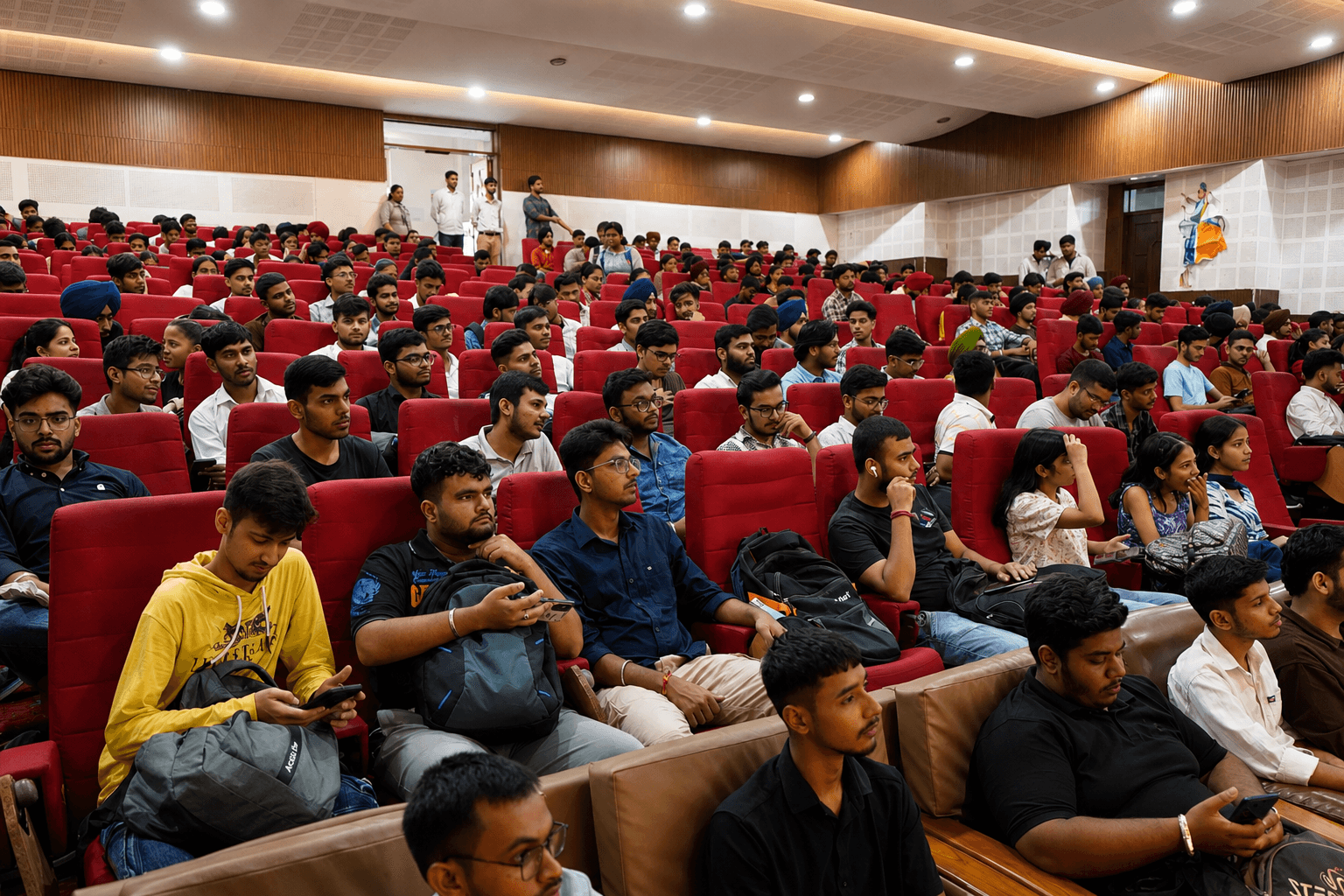
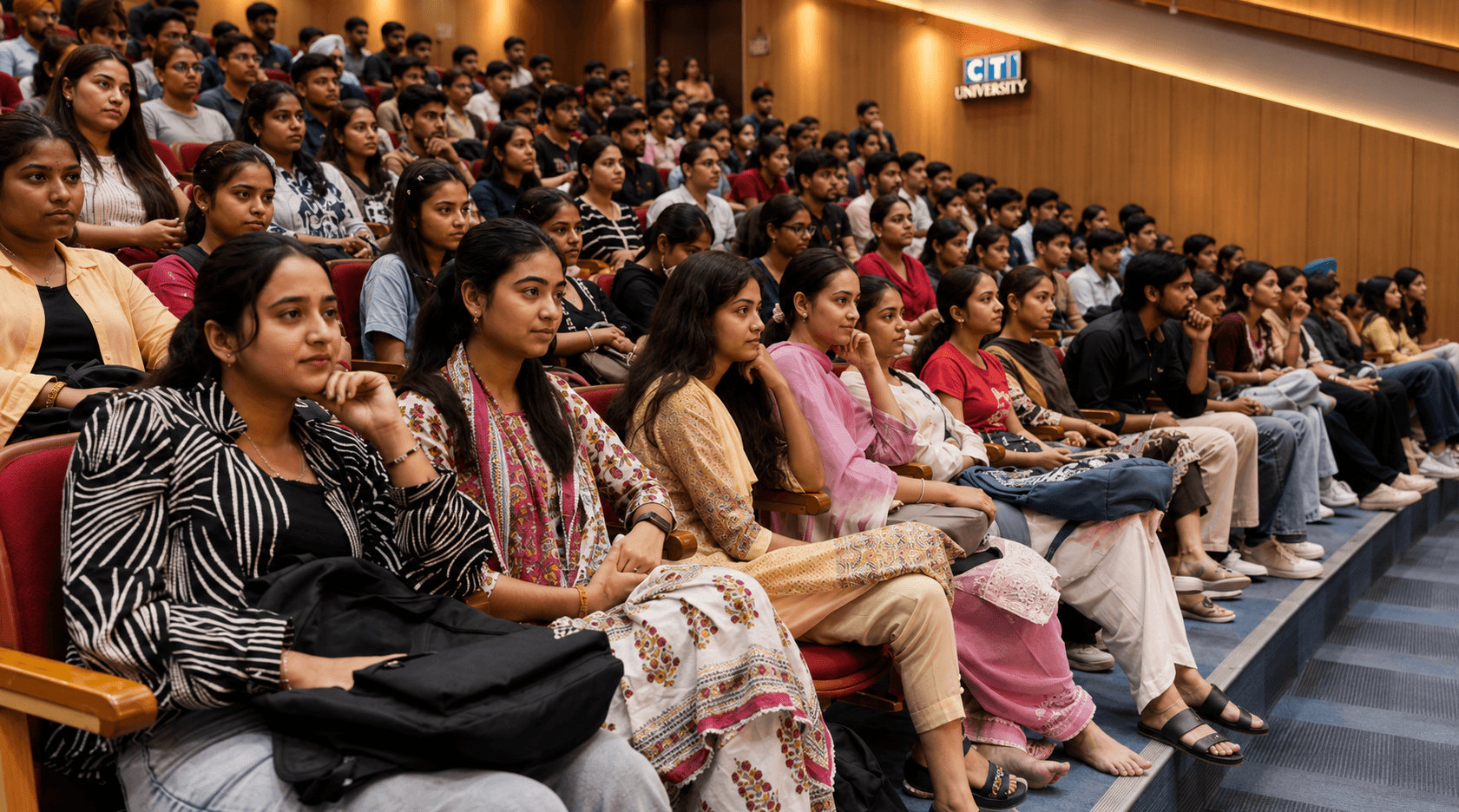
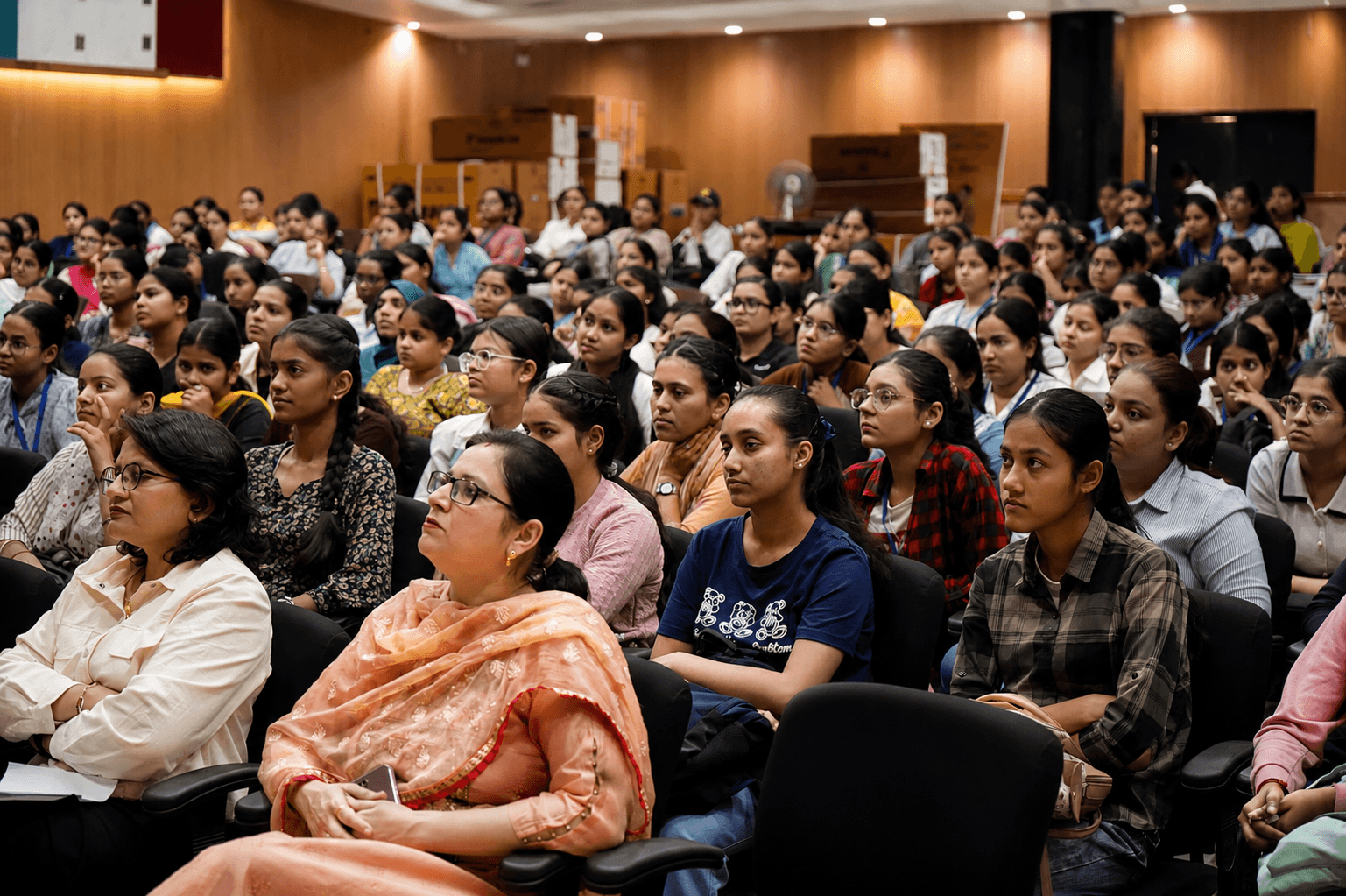
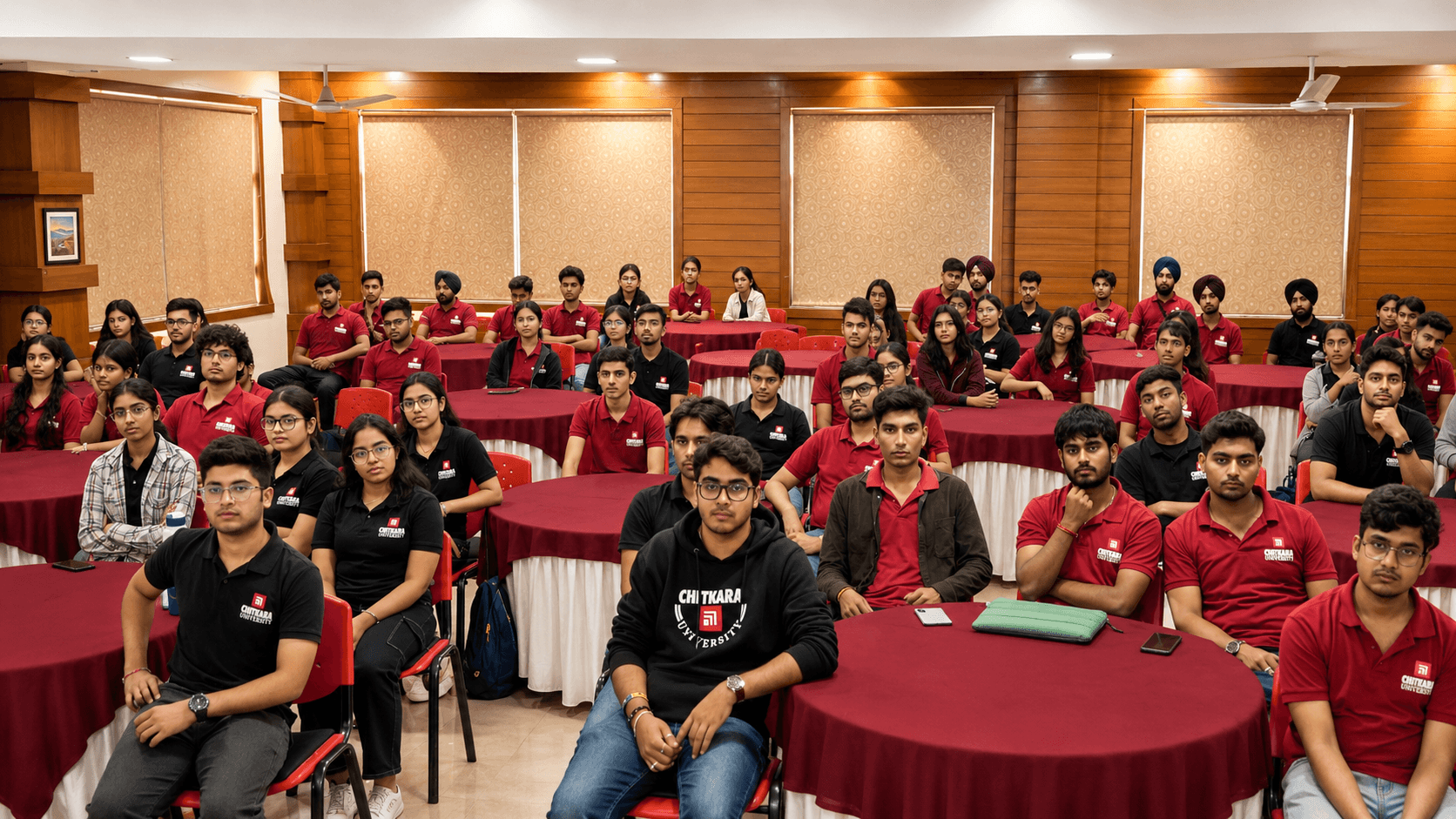
Inside the Amritsar lab — a walkthrough of the deep learning industry-ready training program track.
Duration
Flexible batches
Level
Beginner to advanced
Mode
Hybrid
Batches
Morning, evening & weekend
Module by module

The curriculum, module by module

Module by module curriculum
The Deep Learning Industry-Ready Training Program is a nested ladder — each longer track includes every module from the shorter tracks and adds more depth. No module is repeated; you continue building on the skills you have already learned.
  1. Module 01 of 15

    Python Fundamentals

    Core Python concepts — syntax, variables, data types, operators, and control flow.

    Topics covered

    • Basics
    • syntax
    • variables
    • operators

    Tools in this module

    PythonJupyter Notebook
    You finish with

    A set of Python programs demonstrating core concepts

  2. Module 02 of 15

    Python Data Structures

    Python data structures — lists, tuples, sets, and dictionaries for organizing and manipulating data.

    Topics covered

    • Lists
    • tuples
    • sets
    • dictionaries

    Tools in this module

    Pythonpyter Notebook
    You finish with

    A Python application using data structures to solve a real problem

  3. Module 03 of 15

    OOP & File Handling

    Object-oriented programming in Python — classes, objects, inheritance, and file handling.

    Topics covered

    • OOP concepts
    • file operations

    Tools in this module

    PythonJupyter Notebook
    You finish with

    An OOP-based Python application with file handling

  4. Module 04 of 15

    NumPy & Pandas

    NumPy arrays and Pandas DataFrames for data manipulation and analysis.

    Topics covered

    • Arrays
    • data manipulation

    Tools in this module

    NumPyPandas
    You finish with

    A data analysis notebook using NumPy and Pandas

  5. Module 05 of 15

    Data Visualization

    Data visualization with Matplotlib and Seaborn — charts, plots, and dashboards.

    Topics covered

    • Matplotlib
    • Seaborn
    • charts

    Tools in this module

    MatplotlibSeaborn
    You finish with

    A visualization dashboard with multiple chart types

  6. Module 06 of 15

    Machine Learning

    Advanced machine learning — feature engineering, model selection, and hyperparameter tuning.

    Topics covered

    • Advanced ML
    • feature engineering
    • model selection

    Tools in this module

    Scikit-learnXGBoostLightGBM
    You finish with

    An optimized ML model with feature engineering

  7. Module 07 of 15

    Advanced Machine Learning

    Advanced ensemble methods — stacking, blending, and model interpretation.

    Topics covered

    • Ensemble methods
    • stacking
    • blending

    Tools in this module

    Scikit-learnXGBoostLightGBM
    You finish with

    A stacked ensemble model with interpretation

  8. Module 08 of 15

    Deep Learning

    Advanced deep learning — transfer learning, custom architectures, and optimization.

    Topics covered

    • Advanced deep learning
    • transfer learning

    Tools in this module

    TensorFlowPyTorchKeras
    You finish with

    A transfer learning model for a real-world task

  9. Module 09 of 15

    NLP & Computer Vision

    NLP and computer vision — text processing, sentiment analysis, image classification, and object detection.

    Topics covered

    • Text processing
    • CNNs
    • image classification

    Tools in this module

    NLTKspaCyOpenCVTensorFlow
    You finish with

    An NLP or computer vision project with documentation

  10. Module 10 of 15

    Deployment & Final Project

    Deploying ML models to production — APIs, Docker, cloud deployment, and monitoring.

    Topics covered

    • Deployment
    • API
    • Docker
    • cloud

    Tools in this module

    FlaskFastAPIDockerAWSStreamlit
    You finish with

    A deployed ML model with API and documentation

  11. Module 11 of 15

    Unsupervised Learning & Dimensionality Reduction

    Unsupervised learning — clustering, dimensionality reduction, and anomaly detection.

    Topics covered

    • Clustering
    • PCA
    • t-SNE

    Tools in this module

    Scikit-learnPCAt-SNE
    You finish with

    An unsupervised learning project with visualization

  12. Module 12 of 15

    Deep Learning

    Advanced deep learning — GANs, autoencoders, and advanced architectures.

    Topics covered

    • Advanced deep learning
    • GANs
    • autoencoders

    Tools in this module

    TensorFlowPyTorchKeras
    You finish with

    A deep learning project with advanced architecture

  13. Module 13 of 15

    NLP

    Advanced NLP — transformers, BERT, and state-of-the-art NLP models.

    Topics covered

    • Advanced NLP
    • transformers
    • BERT

    Tools in this module

    Hugging FacespaCyNLTK
    You finish with

    An NLP project using transformers

  14. Module 14 of 15

    Sequence Models

    Sequence models — RNNs, LSTMs, GRUs, and seq2seq models.

    Topics covered

    • RNN
    • LSTM
    • GRU
    • seq2seq

    Tools in this module

    TensorFlowPyTorchKeras
    You finish with

    A sequence model for text or time series

  15. Module 15 of 15

    Computer Vision

    Advanced computer vision — object detection, segmentation, and image generation

    Topics covered

    • Advanced CV
    • object detection
    • segmentation

    Tools in this module

    OpenCVTensorFlowPyTorch
    You finish with

    A computer vision project with object detection

What you build

Projects that answer the interview question for you

Portfolio projects
Each project is reviewed individually, and the review notes go into your portfolio documentation.
Flagship project

Python Data Analysis

Analyze a real dataset with Pandas and NumPy, and visualize with Matplotlib and Seaborn.

  • Python
  • Pandas
  • Matplotlib
02

Machine Learning Model

Train and evaluate a supervised ML model on a real dataset.

  • Scikit-learn
  • Pandas
03

Deep Learning Model

Build a neural network for image or text classification.

  • TensorFlow
  • PyTorch
  • Keras
04

NLP Project

Build an NLP model for sentiment analysis or text classification.

  • NLTK
  • spaCy
  • Hugging Face
05

Computer Vision Project

Build an object detection or image classification model.

  • OpenCV
  • TensorFlow
  • PyTorch
06

LLM Application

Build an LLM-powered application with prompt engineering.

  • OpenAI API
  • LangChain
07

RAG Pipeline

Build a retrieval-augmented generation pipeline with vector databases.

  • LangChain
  • Pinecone
  • ChromaDB
08

ML Deployment

Deploy an ML model with Flask or FastAPI and Docker.

  • Flask
  • FastAPI
  • Docker
  • AWS
09

MLOps Pipeline

Build an MLOps pipeline with MLflow and CI/CD.

  • MLflow
  • Docker
  • GitHub Actions
10

Multi-Agent AI System

Build a multi-agent AI system with LangChain or CrewAI.

  • LangChain
  • AutoGen
  • CrewAI
11

End-to-End Capstone

Complete an end-to-end ML capstone combining data, modeling, deployment, and monitoring.

  • Full ML Stack
  • GitHub
The working loop

Learn it. Build it. Make it yours.

Learn it. Build it. Make it yours.

Every project moves through the same loop: understand the brief, build it with guidance, then explain the decisions behind your work. The certificate is the receipt — the portfolio is the point.

  1. 01

    Industry-focused curriculum

    You learn it the way it is used on real deep learning projects, with the workflow and standards an AI team expects.

    Python Data Analysis

  2. 02

    Live labs, not slides

    Every module runs in a hands-on lab against real datasets and models — not screenshots.

    Machine Learning Model

  3. 03

    Mentor-reviewed deliverables

    Each module ends with a documented model, reviewed weekly by a mentor who still works on live deep learning engagements.

    Deep Learning Model

  4. 04

    Reporting and certification

    Every exercise ends with a written report, and the programme closes with a practical assessment and certification.

    NLP Project

The honest pitch

Your months should build more than a certificate.

Your months should build more than a certificate.

A course is worth the time you give it only if you finish with work you can show and skills you can defend.

Project review week at the Amritsar campus

Mentors mark up work line by line

Hiring drive & mock interview day

Practitioners run the panel, not HR

Why choose Deep Learning Industry-Ready Training Program

Why students choose techcadd

Why students choose techcadd

What makes this course at techcadd different from a typical alternative.

  • 01

    Mentors who still ship client work

    Not full-time lecturers — trainers who are still doing the job they teach.

  • 02

    Live labs, not slides

    Every module runs in a hands-on lab against real datasets and models — not screenshots.

  • 03

    Tools used in job descriptions

    Python, TensorFlow, PyTorch, Keras, OpenCV, Hugging Face, MLflow — not outdated or academic substitutes.

  • 04

    Nested ladder structure

    Each longer track includes every module from the shorter one without repeating a module.

  • 05

    AI-assisted learning

    You learn to use AI assistants and prompt engineering as practical tools in deep learning engineering.

Eligibility

Who can join the Deep Learning Industry-Ready Training Program course

Who can join the Deep Learning Industry-Ready Training Program course

This course works for a specific starting point — here's who gets the most out of it.

  • Educational backgroundNo specific degree or stream required — school leavers, graduates and career switchers all qualify.
  • Prior experienceNone required. The programme opens at beginner level and builds from there across flexible batches.
  • AgeNo upper age limit. What matters is being able to commit to the full course rather than dropping off midway.
  • EquipmentA laptop or desktop with a stable internet connection for classroom or live-online batches.
  • Time commitmentAble to attend regularly across flexible batches, in a morning, evening or weekend batch.
Where it leads

The roles this portfolio opens

Job titles vary by company, but the underlying expectations do not. Each destination below maps to work you will have already done during the programme.

    Tools you will actually use

    The working stack for Deep Learning Industry-Ready Training Program

    Tools and technologies covered

    Every tool below is installed, configured and used by you during the course — not demonstrated on a slide. You leave able to set up your own environment from scratch.

    20tools covered

    Programming language
    • Python
    Development environment
    • Jupyter Notebook
    Numerical computing
    • NumPy
    Data manipulation
    • Pandas
    Visualization
    • Matplotlib
    • Seaborn
    • Tableau
    • Power BI
    Machine learning
    • Scikit-learn
    • XGBoost
    • LightGBM
    Deep learning
    • TensorFlow
    • PyTorch
    • Keras
    NLP
    • NLTK
    • spaCy
    Computer vision
    • OpenCV
    NLP/LLM
    • Hugging Face
    LLM framework
    • LangChain
    AI API
    • OpenAI API
    • Gemini API
    Vector database
    • Pinecone
    • ChromaDB
    • Weaviate
    MLOps
    • MLflow
    Containers
    • Docker
    Orchestration
    • Kubernetes
    Cloud platform
    • AWS
    • GCP
    Web framework
    • FastAPI
    • Flask
    Deployment framework
    • Streamlit
    Database query
    • SQL
    Database
    • PostgreSQL
    • MySQL
    Version control
    • Git
    Code hosting
    • GitHub
    AI assistant
    • ChatGPT
    • Gemini
    • Copilot
    Certification

    Get certified in Deep Learning Industry-Ready Training Program

    Get certified in Deep Learning Industry-Ready Training Program

    Issued on completion against the modules you finished and the projects you submitted — plus an internship letter where the industrial training track applies. Shareable to LinkedIn, and verifiable by an employer who calls the Amritsar desk.

    • Module-wise assessment, not attendance-based
    • Project submissions logged against your certificate
    • Internship letter on the industrial training track
    • Verifiable directly with the campus office
    Future scope

    Where this takes you over the next five years

    Where this takes you over the next five years

    The skill does not stand still, and neither does what it is worth.

    • Generative AI and LLMsEvery application is adding AI features, making LLM skills increasingly valuable.
    • MLOps and production MLDeploying and monitoring models is now a dedicated role, not an afterthought.
    • Multi-modal AIModels that handle text, image, and audio are becoming standard.
    • AI agents and multi-agent systemsAutonomous agents are moving from research to production applications.
    • Responsible AIEthics, bias, and explainability are becoming standard requirements in ML job descriptions.
    What you walk away with

    The objective is practical knowledge rather than memorised concepts.

    Due diligence

    How techcadd compares

    How techcadd compares

    What actually differs between this course at techcadd and a typical alternative.

    techcadd Amritsar compared with a typical training institute in the region
    What you should asktechcadd AmritsarOther institutes
    Live deep learning project workEvery course, from week oneVaries, often only at the end
    Small batches (10–12)Capped for mentor attentionOften 30+ students per batch
    Tools used in job descriptionsPython, TensorFlow, PyTorch, Keras, OpenCV, Hugging Face, MLflowOutdated or academic substitutes
    Mentor-reviewed deliverablesWeekly review by working professionalsOften no review or feedback
    AI-assisted learningBuilt into the curriculumRarely included

    Every comparison here is about substance, not marketing language.

    Before you enrol

    Questions we get asked at the admissions desk

    Frequently asked questions

    If something here is not covered, the Amritsar desk will answer it directly — no call-back queue.

    • No. The programme opens at beginner level and assumes no background beyond comfort with a computer. Students who already have some exposure move through the early modules faster and spend the saved time on project work.

    Book a free demo class and see the lab before you decide.

    SERVICES